
 Coaching and playing don’t always require the same skill set. Not every player will make a good coach and not every successful coach will have been an elite player. Look at some of the men coaching gymnastics. It’s hard to believe they could have ever mastered the pommel horse or uneven bars for themselves, but they can be brilliant at training others. The successful coaches are somehow able to deconstruct each aspect of each move, and train their athletes to weave their brilliance in seamless performances.
Every now and then we see a player with a deep awareness of the game. And not just their contribution to the game, but the game itself, and how every part works together. Steve Larkham, the Australian rugby great, was a player like this. He’d weave his magic and he’d create the opportunities for others to weave their’s. Larkham not only did, but he knew what he did, and he could pass this on to others. He coached as he played and it was no surprise to see him coaching after he stopped playing.
So what does this have to do with expositional preaching? Nothing. I just love gratuitous sporting illustrations!
Seriously though, many great preachers function at a very high level of unconscious competence. They communicate with clarity and depth. They shine a light on the riches of God’s word and they impress it on the hearts and minds of their listeners. We come away from their preaching with ‘our hearts burning within us’. But don’t ask them to train other preachers. They can’t even tell you what it is they do. They’re at a loss when it comes to coaching.
Recently, I attended a preaching coaching workshop at Moore College. I’m so glad I did. For me it was Preaching Coaching 101. Keep it simple. Break things down. Clarity. Simplicity. Specificity. Depth. Grace. Gospel. Theological. Heart. Mind. Affections. Motivations. Exegesis. Contextualisation. And more.
I love preaching, but I also love listening to great preaching. We need more and more passionate, humble, empowered, clear, focused communicators of the Word of God’s Spirit. We need people who will dig deeply into the text and fire it deep into the psyches of the listeners. We need preachers who handle the Scriptures with care and expect God to transform their listeners. This means both getting the message right and getting the message across.
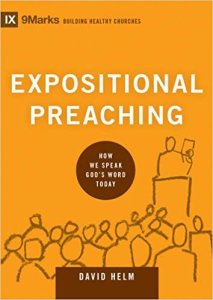
Enter David Helm and his sharp little book, Expositional Preaching: How we speak God’s Word today. Our coaching workshop leant heavily on Helm’s approach to expositional preaching. Helm has learned much from the likes of great preachers like Dick Lucas and Kent Hughes, and it shows. Like a master coach he has broken down the art of preaching so as to pass it on to others. Helm is persuaded that we need to do two things well: Get it right and get it across (p36).
I’ve listened to the audio book of Expositional Preaching and now I’m digging into it more thoroughly with my paper copy, and a pen and a highlighter in hand.
Helm addresses the dangers of merely coming to the Bible to find something that fits with what we want to say. He asks the question “Who will be king? Me? Or the biblical text?” Helm is persuaded that we must let God speak and not get in his way with our hobby horses or attempts to be ‘relevant’. This must involve careful exegesis and theological reflection, but it will also require an investment in careful communication. Helm covers both sides of this equation in his book.
Expositional Preaching provides an introduction to the necessary building blocks for preparing messages that will communicate God’s message to contemporary listeners. If I can shift my metaphors, Helm’s book offers us a recipe for preaching that is nutritious, well presented, and full of taste.
It’s probably aimed at new preachers—ministry trainees, students in theological colleges, people starting out on a lifetime of teaching the Scriptures. For me, it’s an excellent coaching manual for those of us who feel we can do, but who have trouble in identifying what we do and why we do it and how we do it. If we seriously want to equip people who are passionate and skilled in biblical preaching, then I recommend we recruit David Helm as our coach—or at least work seriously through his coaching manual.
 I miss Chappo! Yesterday I saw someone reading one of his books and I felt a pang of grief. He was so good to talk with, to chat to about real stuff. He’d always keep pointing me to Jesus. He loved Jesus and wanted nothing more than for others to love him too. Chappo might not be here—that’s because he is now with the risen Jesus—but I still have his books. My favourite is A Fresh Start. It’s clear, fun, engaging, serious, Biblical, and helpful, all rolled into one. It’s a great explanation of what a Christian is and how you can become one.
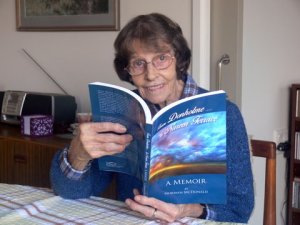 Over the past couple of years my father has been working on his memoirs. He’s been reflecting on more than eight decades of seeing God at work in and through his family, in many different locations. In the last few days these words have been delivered—printed and bound—to his home. Dad has called his book From Donholme to Nareen Terrace, and he has shaped the book around each of the places he has lived. I’m glad the book has a title, because otherwise I might be tempted to call it The Book of Norman! (That’s got that joke out of the way. It was bound to emerge at some point.)
 DNA is who we are. It’s you and I boiled down to our most basic fundamental parts. It’s our point of difference, our unique identifier. It’s the building block of our health and biological integrity. DNA gets passed from generation to generation during reproduction. Zillions of pieces of code are transmitted intact so that new things grow. Occasionally there are mistakes in the code. Sometimes things go wrong—like in me! I have a genetic mutation. My second chromosome has flipped around, fused with the fifth chromosome, and created a genetic short circuit, thus producing cancer of the lungs.
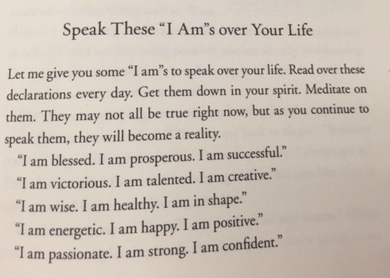
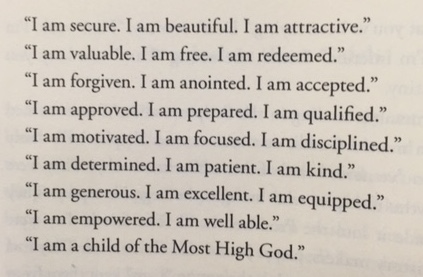
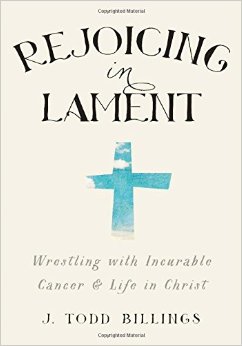
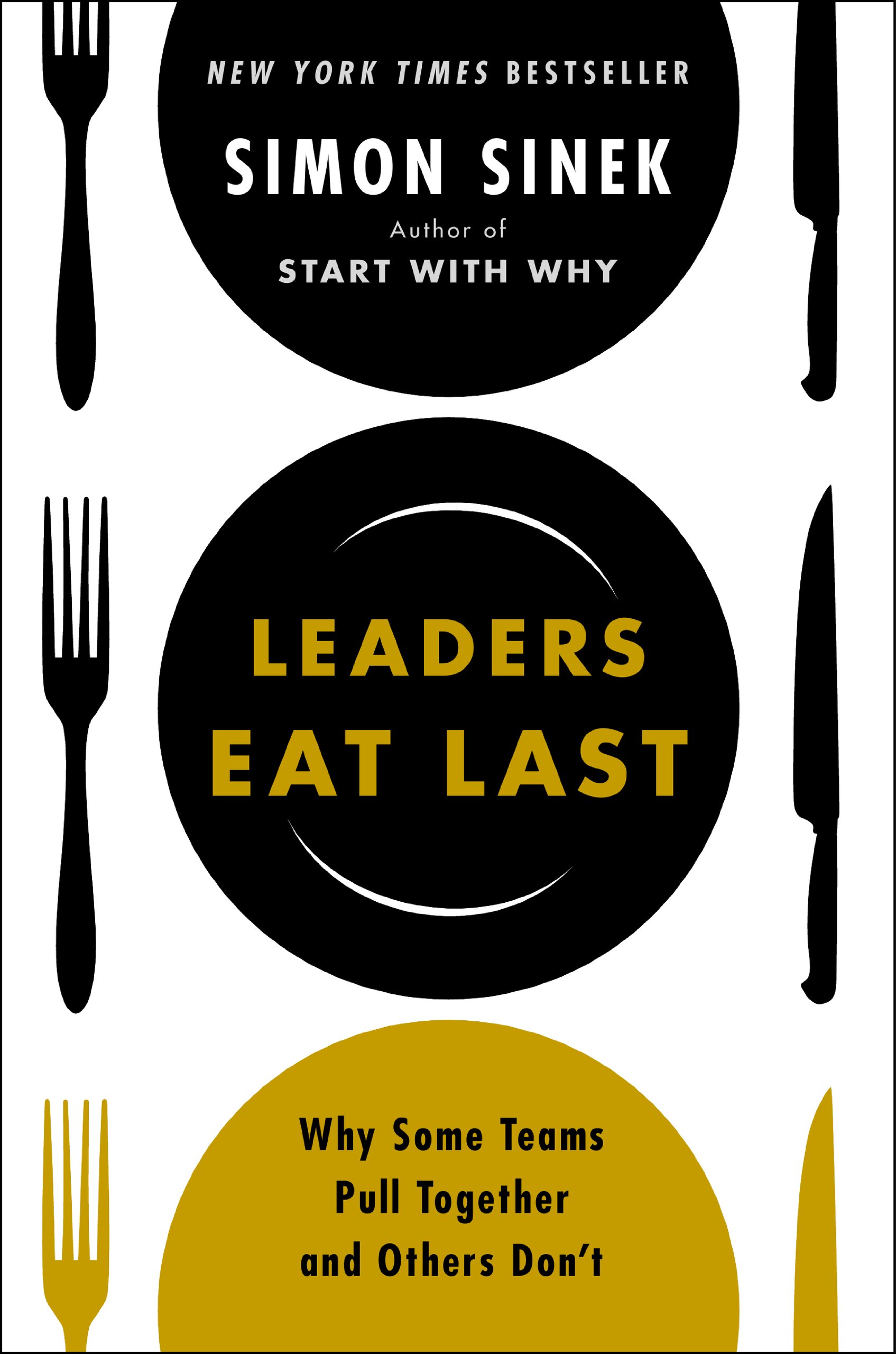
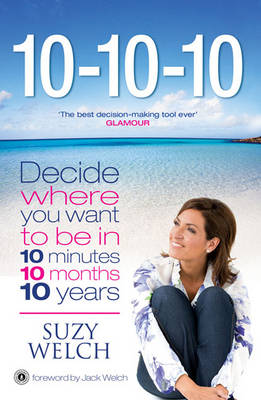
 My new year resolutions for 2016 included reading a book a week. The plan was to finish 52 books before the end of the year. I wasn’t following a recommended reading list, but there were a few books that I was keen to knock over. Someone had suggested mixing things up with a range of genres and topics. There were issues I was interested in researching and their were numerous new books that piqued my interest. During this time I also discovered audio books and bought myself a kindle. So my list represents an eclectic mix of styles, difficulty, issues, media, and… quality. Yes, I also discovered that some books had done little more than steal my time.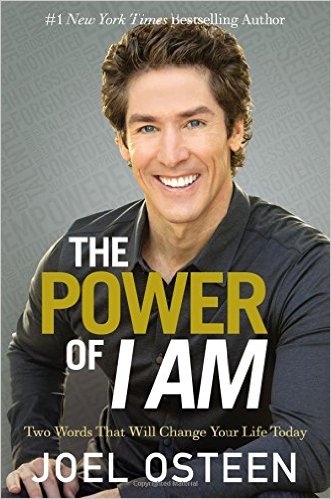
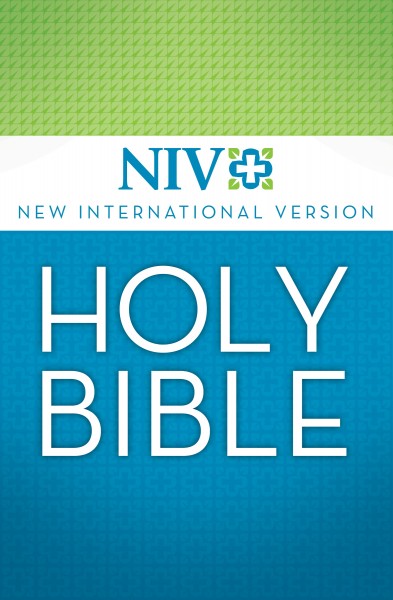
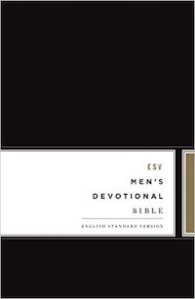 Last week I received a free copy of the ESV Men’s Devotional Bible. I was surprised as I couldn’t remember ordering it. The accompanying letter asked if I would be willing to review it. Normally I would read a book from cover to cover before writing a review. I can honestly say I’ve only read a small portion of this volume over the past week. But I have read other versions of the same book. Some years I’ve read it through more than once. I’ve read this ESV translation and I’ve also read other translations, such as the NIV and the HCSB.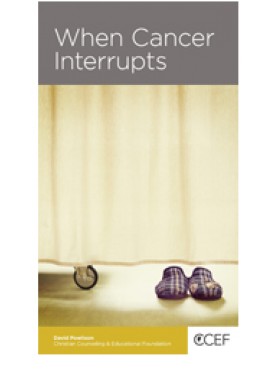


 macarisms