
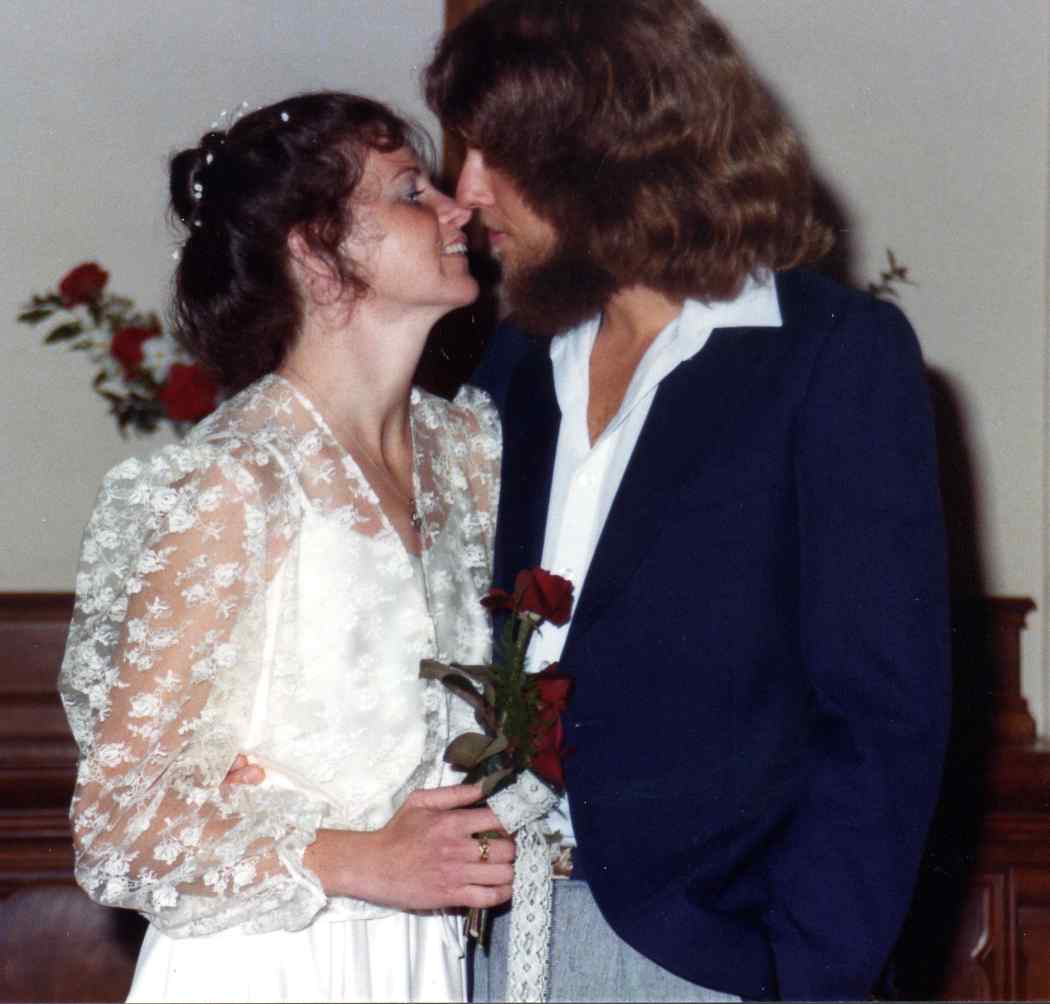
 This week Fiona and I celebrated our 36th wedding anniversary. We thank God for bringing us through so many ups and downs, and we keep asking him to help us love each other whatever the future may hold. We don’t have a perfect marriage and we’ve got lots still to learn. But the promises we made weren’t conditional. They weren’t dependent on feelings or good circumstances. We went with the traditional options… you know… better/worse, richer/poorer, sickness/health. I suspect we made these promises without pausing to contemplate very deeply. We just knew we wanted to get married and we wanted to stay married. Still do.
Back then it was…
Richer? Who cares?
Poorer? I doubt it—we were both students.
Better? We’re about to get married. It can only get better, surely?
Worse? I hope not.
Health? Of course, we’re both young and fit and full of life.
Sickness? Everyone gets sick sometimes, don’t they?
Fast forward to 2019 and one promise stands out. Never would we have contemplated what this could mean, what it would mean. “In sickness and in health”.
On any count, the typical annual dose of the flu, occasional colds, a few broken bones, irregular migraines, four caesareans, bouts of labyrinthitis, recovery from a major car accident, and eight years of living with cancer, add up to a lot of time “in sickness”.
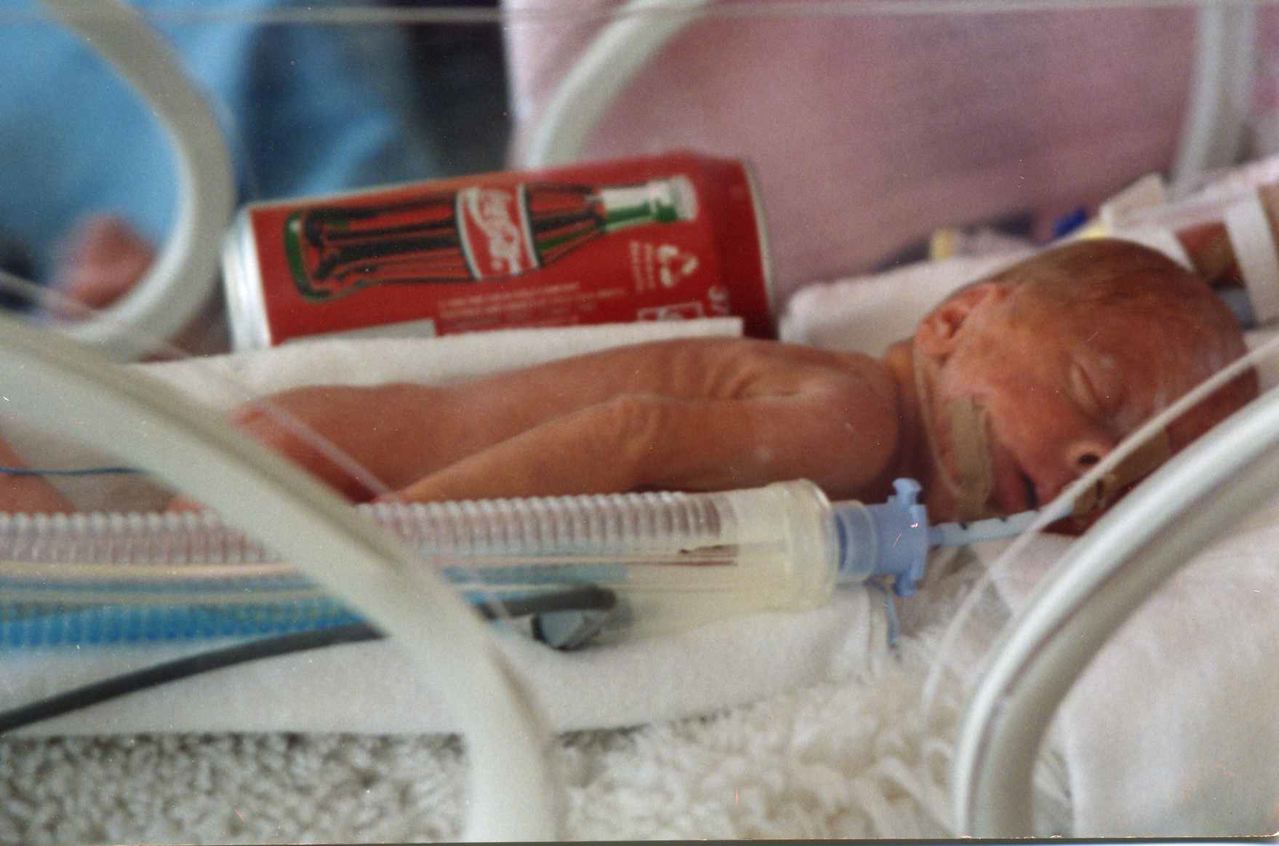
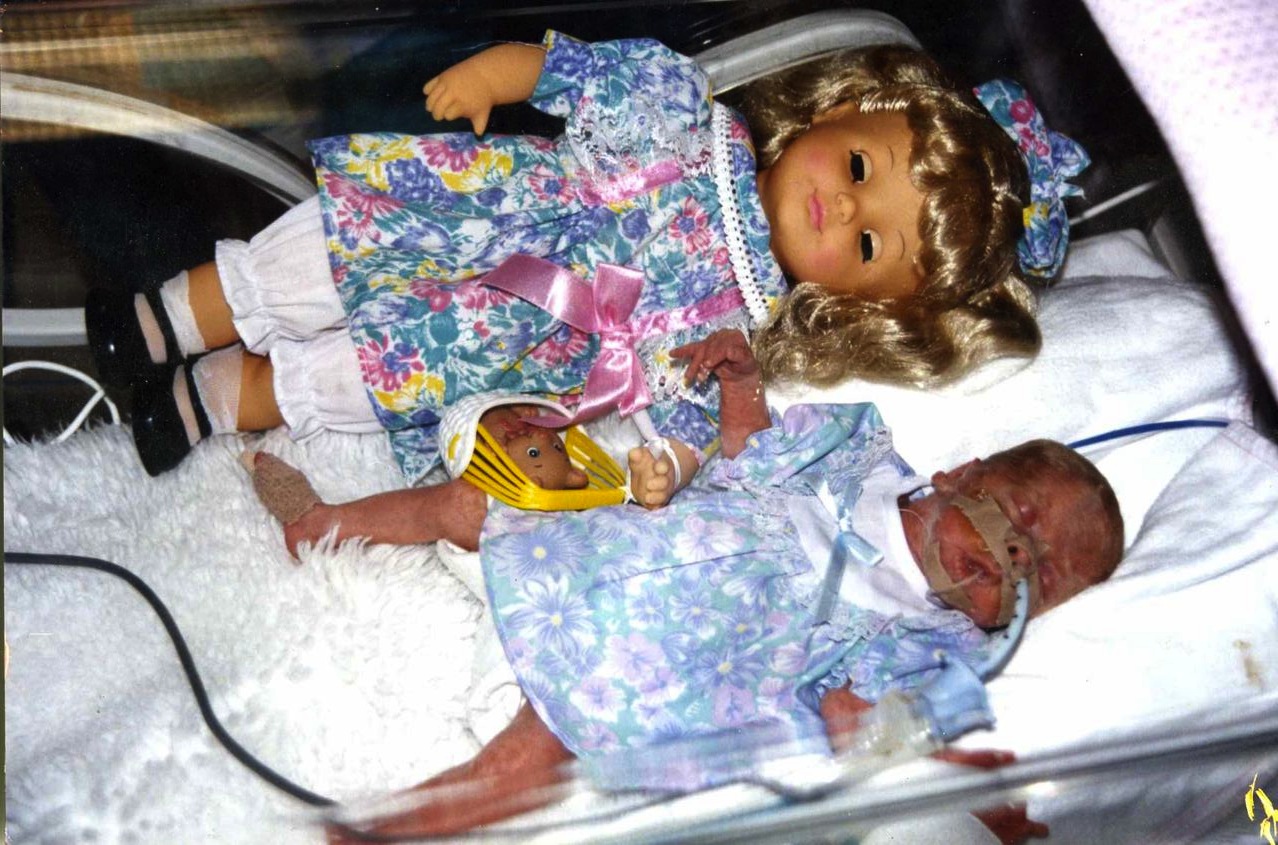
And what about all the sicknesses and injuries to our children? More than three months in the NICU, regular injuries from skateboarding, cycling, or rugby, catching the bugs from school friends (sometimes literally). And then there are ageing parents. And mental health struggles. And pregnancy complications. And, and, and.
Let me go out on a limb and say I reckon marriage for us has been at least 1/3 sickness, 2/3 health.
Marriage is not for the faint-hearted. It’s not for casual or temporary affections. Marriage is a covenant to love. It’s about putting your life partner before yourself. It’s about “we will work it out—whatever”. It’s about let’s keep asking God to help us.
It’s about learning to love, actively, showing the initiative, being the first to forgive, killing our selfish pride, overcoming our discontent, and rejoicing in the wonder of growing together in all the ups and downs of life. It’s about a love that grows in patience, and kindness, without envy, boasting or pride. This is a love that isn’t self-seeking, doesn’t get easily angered, keeps no record of wrongs, and always protects, trusts, hopes and perseveres.
How can you learn to love like this? Two thoughts come to mind:
- Even though he never got married, Jesus shows us the kind of love that will make a marriage work.
- You know love when it gets put to the test. Seems like “in sickness” is a challenging place to grow real love.
We have dear friends whose marriages have faced the challenges of better and worse, richer and poorer, in sickness and in health, more than we will ever know—friends who have no relief from continual pain, perpetual fatigue, aching brokenness, chronic illnesses, and more. Please pray for friends’s marriages, pray for your marriage.
Now it’s time to seek God’s help to practice what I preach.
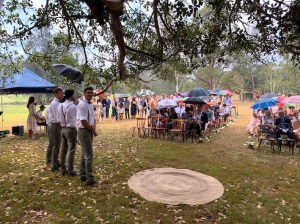
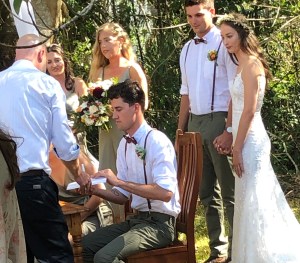 If you’re looking to get married, then don’t sell yourself short. Don’t put all your focus on making the day just perfect, but take the time to prepare for what comes afterwards. For better and worse, for richer and poorer, in sickness and in health. This is the important stuff. This is the tough stuff. This is where the deep and lasting joy is to be found. This is really what it’s all about. Marriage is for a lifetime together. Isn’t that worth a little serious preparation?
 Are you at risk of having your whole life tied up with Christians so that you have no real engagement with anyone else? Does your week revolve around church meetings and activities? Does your sport, education, recreation, entertainment, socialising, music, and media all take place in a Christian bubble?
 Who of us wouldn’t want our churches to be genuine communities of meaningful, caring relationships? Perhaps this is your experience already. People invest in each other, they look out for one another, they show genuine interest, they seek help, they ask what they can pray and then they pray. They do more than offer support to others, they show deep empathy, compassion, and practical care. Maybe this is a bit of overreach, but you see glimpses of it and you want it more and more. Right?













 macarisms