The daunting task of the preacher

Version 2Preaching can be an intimidating task. Knees quiver and voices quaver for some of us when we are forced to speak publicly. But it’s not the people in the audience that should cause us to tremble—here are four things more daunting still.

1. God

The task of the preacher is to speak about God. And we do it with God himself in the room. Perhaps you’ve had the experience of talking about somebody and then becoming aware that they can hear you. You didn’t realise they were there, and then you see them out of the corner of your eye. They’ve been listening in and heard every word you’ve said! The preacher has that experience every time they preach. We talk about God in the presence of God. How important it is we get it right. We’d do well to reflect on the lesson of Job in chapter 42, who basically says, “Look, I should shut up because I didn’t know who or what I was talking about.” And if he didn’t know what he was talking about—and he gets to be in the Bible—then we should be a little careful. Don’t you think?

2. God’s word

God’s word is a powerful thing. By God’s word the heavens and the earth were made. By God’s word this universe continues to function. By God’s word hearts and minds are brought from death to life. By God’s word the church is built and grows into maturity. Our task is to handle this powerful word of truth with great care (2 Timothy 2:15). I may get into trouble for mentioning this, but my brother recently removed his thumb—literally. One minute he is working in his garage with his circular saw. A short time later he is waking up in hospital with a surgically reattached thumb. A circular saw is a powerful instrument. It can do great good and great harm, so we must handle it with care. How much more the word of God. People depend on the preacher to take great care with God’s word. In fact, their lives depend on it.

3. The preacher’s heart

Let me state the bleeding obvious—I’m not perfect. Not even close. And every time I have to preach I’m reminded of this fact. I often feel like Isaiah who in chapter 6, when confronted with a vision of the holy God, says “Woe is me, because I’m a man of unclean lips, among a people of unclean lips.” Isaiah could have been speaking for me.

I know my own sinfulness. I know my weaknesses. I know the things that I do wrong. And yet here I am, charged with speaking about the holy and righteous God—in my state. How important that I remember that God has acted in Christ to cleanse me. How important to remember that God can even speak his truth through a donkey (Numbers 22).

4. The preacher’s life

God calls us to practice what we preach. The apostle Paul called people to follow his example and to copy his way of life. So much of what people learn is caught rather than taught. Our walk should match our talk. When it doesn’t we can quickly undermine our message. How many preachers have called their congregations to sexual purity only to have their porn addictions, their illicit affairs, or their heartless marriages exposed? We know our hypocrisy and they can easily lead to warped preaching. Some will avoid speaking on any topic they’re unwilling to confront themselves. Others will confront their failures by beating on others. They know the deep-rooted greed in their hearts and yet mercilessly challenge others to confront their idolatry and covetousness.

From the gospel to the gospel

We must always remember that ‘but for the grace of God go I’. We have received grace, mercy and forgiveness through Jesus Christ. We bring nothing to the table—it is all of God. We should thank him and trust him alone. So too, our ministries are gifts of God’s grace (Romans 12:3-8). God doesn’t choose the clever, the strong, or the powerful because they are the ones qualified to be his ambassadors. He works among the weak and the imperfect to equip them for his service. God’s Spirit is at work in the messenger and the message. So let us never give up praying that God will transform our hearts and minds and work through our words and actions.

Our message is to be grounded in gospel. So too we must point people to the gospel. We have a powerful life-changing word from God. We must not water this down to a pathetic call to live better lives. Let people hear the hope. And hear it loud. God is in Christ reconciling the world to himself. God is working for the good of all who love and trust him, to make us more like his Son, Christ Jesus. Self-righteous pretence leads to hell, but God-given righteousness, through faith in Christ, leads to everlasting life.

Let’s keep on with the daunting task of preaching the gospel.

Originally published on TGCAu site 20/8/15

Recommended reading (30 July)

readingFirst there was road rage and now there’s internet rage. Does “gentle” describe your tone when disagreeing online?

For the dissatisfied pastor/teacher. No platform high enough

If your pastor seems discouraged. One simple way to encourage your pastor

Liberating us to become more hospitable. The point of hospitality

When your best friend is struggling with depression. Serving your spouse during their dark sessions

We all know someone. What to say to a friend with cancer

How to walk into church

hwic_265It’s important to be able to do things on autopilot. Can you imagine having to think through every step to riding a bicycle every time you got on? Or opening your users manual every time you wanted to watch TV?

However, sometimes, autopilot can be a problem. We visited our premature daughter at the hospital every day for over 3 months until she was able to come home. Many times after that day, I’d get in the car, and be almost at the hospital before I realised that I should have been going in the opposite direction.

I suspect that going to church is an autopilot experience for most Christians. Sunday comes around and we get up, head to church, sit in the same place, and do what we always do. Interestingly, the Bible teaches us that we shouldn’t head to church on autopilot. We should turn autopilot off and engage manual. Hebrews 10:24-25 teaches us:

And let us consider how we may spur one another on towards love and good deeds, not giving up meeting together, as some are in the habit of doing, but encouraging one another – and all the more as you see the Day approaching.

We are encouraged to meet together regularly so as to encourage and spur one another on in our Christian lives. I take this as encouragement to make church a regular and important priority. We are also urged to ‘consider’ how me do this, which I take as call to disengage autopilot. We are to think about why we go to church, what we will do when we are there, who will be there, how we might encourage them, and more.

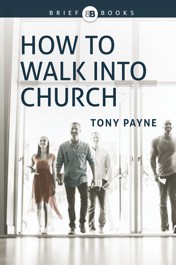
Tony Payne’s brief book, How to Walk into Church is written to encourage us to switch off the autopilot and think how we can make our time at church amongst the most valuable activity we engage in each week. He writes:

We come not to spectate or consume, nor even to have our own personal encounter with God. We come to love and to serve.(p13)

This little book is firmly grounded in Hebrews chapters 10 to 12. We are introduced to the heavenly gathering called church and move to the implications of belonging to this church for how me spend our time together with other Christians in our local churches. Our churches are to be shaped by love, and this only happens as we make God and one another the purpose of our gathering. We meet to love, which means we meet so as to build one another by the truth of God’s word. Tony suggests that every time we walk into church we should be wearing a metaphorical t-shirt that says:

“God is important to me, and you are important to me”. And on the back it says, “And that’s why I wouldn’t dream of missing this.” (p37)

How to Walk into Church contains helpful suggestions for promoting ‘every member’ ministry. You don’t need to be the preacher, the Bible reader, or the song leader to be able to influence others. We can all strike up conversations shaped by the Word of God. We can look out for one another, notice who’s missing, and show hospitality to newcomers. If church has become a passive experience, then this book will help you to turn things back toward active engagement every week.

This brief book is one that I plan to use as a tool in our ministry. Our church has already purchased a box of these books and we are promoting them to our regulars. My hope is that the book can also become part of a membership toolkit. When people indicate that they’re keen to belong to our church, then we will talk through how they can contribute to the ministry. We may well give them this book, urging them to read it, jot down some notes and questions, and we’ll talk about it together. I will be recommending this book to churches, small groups, and individuals.

There are many strengths of this book, not least is that it’s only 64 pages and takes 30 minutes to read. Yet more importantly is that it is derived clearly from the Scriptures. Some books about ‘what to do in church’ simply springboard from the Bible into the pool of pragmatism.

Having read over this book a couple of times, there are improvements that I think could be made in a second edition. It’s a good book that could be even better. I’d like to be able to offer this book to anyone who comes to our church—whether they are Christian or not. Thus, I think the book would benefit by a clearer explanation of how to become part of the heavenly church, the church belonging to Jesus. While this point is made, a few pages completely devoted to the message of the gospel would strengthen its impact.
I’d also like to read more practical ideas for ministry at church. Perhaps in between chapters we could read some cameos of people in their service at church. Alternatively, each chapter could finish with some dot points of ideas, or even a section for personal reflection and prayer for the reader to map out some ideas for service.

I had an opportunity to raise these suggestions with the author at a recent conference and he was most receptive. I sensed that his desire is to serve the church by listening as well as by writing.

This review was written for The Gospel Coalition Australia

Recommended reading (16 June)

readingNext week the church I pastor is looking at what we believe about church. What we truly believe will be shown in how we speak and act. Here’s some helpful food for thought on how we approach church.

Brian Borgman The Danger of Seeking your Dream Church

Carey Nieuwhof A Response to Christians who are done with Church

Check out this infographic of the ‘one another’ verses in the New Testament

Keller, Piper and Carson on Thriving Churches in a Hostile Culture


Recommended reading (14 June)

readingThe following articles are helpful food for thought if considering how to encourage people, especially atheists, to consider Christian faith.

Sandy Grant On Good and Bad Evangelism

Stephen McAlpine Christian: Are you Ready for Exile Stage Two?

Nathan Campbell When in Rome: Reframing our Expectations as the Post-Christendom Church

John Gray What scares the New Atheists?

And an old post by Nathan Campbell How to talk to atheists about Christianity

Why Christians believe Jesus is God

From time to time I get asked why Christians believe that the man of history, Jesus Christ, is believed to be divine. It’s one thing to believe that he is special and that he’s left his mark on history, but it’s another thing altogether to believe that Jesus is God. Sometimes people support there critiques by claiming that Jesus never said he was God, or that the Bible doesn’t actually describe Jesus as God. While it is true that you won’t a quotation of Jesus saying “I am God” in the Bible, this is not to say that Jesus and the Bible writers deny this. In fact, there is significant evidence to support the claim that Jesus is divine.

jesusasgodIf you are interested in considering the Bible’s claims on this matter, the following list of references is a helpful start. They’ve been adapted from the book by Murray Harris called Jesus as God.

Divine functions performed by Jesus

In relation to the universe

  • Creator (John 1:3; Col 1:16; Heb 1:2)
  • Sustainer (1 Cor 8:6; Col 1:16; Heb 1:3)
  • Author of life (John 1:4; Acts 3:15)
  • Ruler (Matt 28:18; Rom 14:9; Rev 1:5)

In relation to human beings

  • Healing the sick (Mark 1:32-34; Acts 3:6; 10:38)
  • Teaching authoritatively (Mark 1:21-22; 13:31)
  • Forgiving sins (Mark 2:1-12; Luke 24:47; Acts 5:31; Col 3:13)
  • Granting salvation (Acts 4:12; Rom 10:12-14)
  • Dispensing the Spirit (Matt 3:11; Acts 2:17, 33)
  • Raising the dead (Luke 7:11-17; John 5:21; 6:40)
  • Exercising judgment (Matt 25:31-46; John 5:19-29; Acts 10:42; 1 Cor 4:4-5)

Divine status claimed by or accorded to Jesus

In relation to his Father

  • Having divine attributes (John 1:4; 10:30; 21:17; Eph 4:10; Col 1:19; 2:9)
  • Eternally existent (John 1:1; 8:58; 12:41; 17:5; 1 Cor 10:4; Phil 2:6; Heb 11:26; 13:8; Jude 5)
  • Equal in dignity (Matt 28:19; John 5:23; 2 Cor 13:14; Rev 22:13; cf. 21:6)
  • Perfect revealer (John 1:9, 14; 6:32; 14:6; Rev 3:7, 14)
  • Joint possessor of the kingdom (Eph 5:5; Rev 11:15), churches (Rom 16:16), Spirit (Rom 8:9; Phil 1:19), temple (Rev 21:22) divine name (Matt 28:19; cf. Rev 14:1), and throne (Rev 22:1, 3)

In relation to human beings

  • Recipient of praise (Matt 21:15-16; Eph 5:19; 1 Tim. 1:12; Rev 5:8-14)
  • Recipient of prayer (Acts 1:24; 7:59-60; 9:10-17, 21; 22:16, 19; 1 Cor 1:2; 16:22; 2 Cor 12:8)
  • Object of saving faith (John 14:1; Acts 10:43; 16:31; Rom 10:8-13)
  • Object of worship (Matt 14:33; 28:9, 17; John 5:23; 20:28; Phil 2:10-11; Heb 1:6; Rev 5:8-12)
  • Joint source of blessing (1 Cor 1:3; 2 Cor 1:2; Gal 1:3; 1 Thess 3:11; 2 Thes 2:16)
  • Object of doxologies (2 Tim 4:18; 2 Pet 3:18; Rev 1:5-6; 5:13)

Old Testament passages referring to Yahweh applied to Jesus

  • Character of Yahweh (Exod 3:14 and Isa 43:11 alluded to in John 8:58; Ps 102:27-28 quoted in Heb 1:11-12; Isa 44:6 alluded to in Rev 1:17)
  • Holiness of Yahweh (Isa 8:12-13 [cf. 29:23] quoted in 1 Pet 3:14-15)
  • Descriptions of Yahweh (Ezek 43:2 and Dan 10:5-6 alluded to in Rev 1:13-16)
  • Worship of Yahweh (Isa 45:23 alluded to in Phil 2:10-11; Deut 32:43 and Ps 97:7 quoted in Heb 1:6)
  • Work of Yahweh in creation (Ps 102:25 quoted in Heb 1:10)
  • Salvation of Yahweh (Joel 2:32 quoted in Rom 10:13; cf. Acts 2:21; Isa 40:3 quoted in Matt 3:3)
  •  Trustworthiness of Yahweh (Isa 28:16 quoted in Rom 9:33; 10:11; 1 Pet 2:6)
  • Judgment of Yahweh (Isa 6:10 alluded to in John 12:41; Isa 8:14 quoted in Rom 9:33 and I Pet 2:8)
  • Triumph of Yahweh (Ps 68:18 quoted in Eph 4:8)

Divine titles claimed by or applied to Jesus

  • Son of Man (Matt 16:28; 24:30; Mark 8:38; 14:62-64; Acts 7:56)
  • Son of God (Matt 11:27; Mark 15:39; John 1:18; Rom 1:4; Gal 4:4; Heb 1:2)
  • Messiah (Matt 16:16; Mark 14:61; John 20:31)
  • Lord (Mark 12:35-37; John 20:28; Rom 10:9; 1 Cor 8:5-6; 12:3; 16:22; Phil 2:11; 1 Pet 2:3; 3:15)
  • Alpha and Omega (Rev 22:13; cf. 1:8; 21:6, of the Lord God)
  • God (John 1:1, 18; 20:28; Rom 9:5; Tit 2:13; Heb 1:8; 2 Pet 1:1)

Wisdom in Leadership

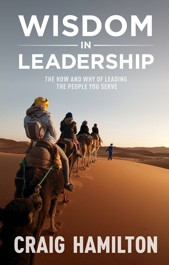
wisdomIt’s a while since I’ve been as excited about a book on leadership as I am about this one. Craig Hamilton’s Wisdom in Leadership is a treasure chest of wisdom. It’s set to become my “go to” book for Christian leaders and I’ve already pre-ordered copies for each member of our church’s leadership group.

Craig has managed to successfully integrate Christ-focused biblical theology and gospel priorities with the best of the literature and practical wisdom. There is a depth of maturity about this book that belies the age of the author. He’s studied the Scriptures, he’s read widely from the best, and he’s tested and refined his wisdom in the course of his own ministry.

Wisdom in Leadership begins with a clear theological foundation that avoids the common practice of arguing prescription from the descriptions of leaders in the Bible. I’d buy the book for this section alone. It’s an excellent example of how to think theologically and then apply our thinking to what we do. The gospel of Jesus, the strength of God, the dependability of the Bible, the necessity of prayer, the significance of serving others, and the importance of being before doing — all take priority over the particulars and practicalities of leadership.

This is a big book. It’s almost 500 pages and it contains 78 different chapters. It’s really a compendium of quality advice on a wide range of leadership matters. When I first read it, I could imagine it being a series of short books on a range of leadership topics, or a long series of posts on a quality leadership website. But I love the fact that Craig has gathered so much together into one volume. It’s the type of book to write notes in, to return to topics over and again, and to dip in and sample, rather than having to read from cover to cover. I expect to refer to chapters and use them as discussion starters with different groups of leaders. I’ve already written summaries, comments, questions, and tips for application in the margins of my book. I’ve typed up a 20-page summary of quotes and ideas from the book, so that I can remember where to go for what.

Here’s a taste of quotes to whet your appetite:

“The biblical model of leadership” is a stupid title because of the words leadership, model, biblical, and the. I do want to make it clear, though, that I quite like the word ‘of’. (p 30)

You want to be a leader? Good. You want to be a great leader? You want to be the greatest? That’s good too. Be a servant. Be the greatest servant. Serve everyone you can. Everyone you meet. Be all about others; be in it for others. (p 53)

Who God wants you to be will always have an impact on what God wants you to do. Secret sins will choke your heart and erode your ministry. Deal with them tirelessly and repent of them quickly. (p 73)

Submitting to authority, being a follower, is a mark of maturity. Those who can’t follow, or are unwilling to follow another leader, shouldn’t lead. It’s a lack of character that needs to be addressed. (p 120)

Leading is pain. It’s part of the job. And if you’re planning on not being hurt then you’re planning on not being a leader. (p 135)

When it comes to how you view the world, the future, and your life, if you’re measuring your circumstances then you’re measuring the wrong thing. Your hope is not based on the shape of your circumstances but on the size of your God. (p164)

Having read this book for myself, I’m looking forward to working through it with others. I anticipate using it as a reference tool for many areas of leadership development. Wisdom in Leadership will help to get our leaders onto the same page, working together for common goals, with a unity of spirit and purpose.

If you’ve read widely in the world of leadership, management, teamwork, time management, change and the like, then Wisdom in Leadership will serve as a refresher course by selecting from the best of the best, adding some home-grown wisdom, and distilling it all through the lens of the Scriptures. If you’re starting out on the task of becoming a leader, or you’re training up new leaders, then I’d recommend saving a lot of time and money by starting with this book first.

This review first appeared on The Gospel Coalition Australia website.

Recommended reading (4 June)

readingWhen it comes to pastoral care, it’s not one size fits all. Nicholas Batzig has written a helpful article on The Complexity of Pastoral Care.

Given the ubiquity of pornography and the many temptations on the internet, buying your child a smart phone is a major decision and needs appropriate guidance. Tim Challies offers helpful advice in his article Letter to teens unboxing their first smartphone.

Having attended three funerals in the past month of friends who’ve died from cancer, I appreciate the gravitas of this article by Marcus Brotherton reflecting on his friend’s life: Five wise principles gleaned from a too-short life of excellence.

Nancie Guthrie shares some insights from experience on What not to ask someone who’s suffering.

I’ve recently read  and reviewed a superb book about Wisdom in Leadership by Craig Hamilton. I expect to repost the review on this site in the future.

Double delight

Yesterday marked two years since I’d been declared NED (no evidence of disease) and tomorrow marks three and a half years since diagnosis. I thank God for the days he has given me and the opportunity to enjoy life and serve him in new ways.

Screen Shot 2015-06-01 at 9.21.08 pmYesterday also marked the announcement by the government that Crizotinib was going to be added to the Pharmaceutical Benefits Scheme from 1 July 2015. This is very exciting, especially for those who have been paying for this targeted lung cancer treatment treatment. The price drops from $80,000 a year to $456 a year. I have not commenced this treatment as yet, but it means it will be affordable if and when I need it. For now, I continue on chemo. Why—because it’s working, and if it aint broke then I shouldn’t change it, apparently!

Click on the picture to watch this brief video.

Recommended reading (21 May)

reading3 Reasons Why You Aren’t Allowed to Be Theologically Dumb by Chris Martin (no, not from Coldplay). Of course, there are many more reasons but this is a good start.

One of the biggest factors in deciding whether to stay at a particular church is friendliness. Thom Rainer’s post Seven things church members should say to guests in a worship service is so simple, yet so very helpful.

Unlike many of my friends who ride bikes, I’m not that experienced in the world of lycra. However, this article gave me some things to consider. What Wearing Lycra Taught Me About Christian Ministry by Peter Ko.

As a preacher, this is an issue I need to come back to again and again. The missing ingredient in many sermons by Erik Raymond is flavour for our spiritual food.

Recommended reading (19 May)

readingLearning to see by Jean Williams is a beautiful reflection on the way we are, as observed in an everyday glimpse of the creation.

Tim Challies reflects on five lessons he learned from William Zinnser on the art of writing non-fiction. I found much to learn in On Writing Well (5 Big Tips).

Andrew Errington, the author of Can we trust what the Gospels say about Jesus?, has written a helpful article on an important struggle we all face: On Doubt: Ten Thoughts.

If-only discipleship by Brian Rosner reminds us from God’s Word that we don’t need to wait for our circumstances to get ‘better’ before we can grow and serve God.

More practical, good advice from Craig Schafer on Making Meetings Effective: Facilitation Techniques.

Worth reading

NIV_blueWe’re not all natural readers, but my experience is that reading brings great reward. I struggle to read the great novels or works of fiction. But I’m a fan of sports biographies, and works on leadership, people, organisations, and new ways of thinking and doing. But hands down the most instructive, life-changing, and liberating book I’ve ever read—and continue to read is the Bible.

Apparently it takes less time to read than Game of Thrones and not all that much more than Lord of the Rings or Harry Potter. And while these are great stories, the Bible is so much more. If you’ve never really dipped into the Bible, can I recommend you give it a shot. Grab a modern translation—replace the old King James with a New International Version or the Holman Christian Standard Bible—and give it a read. Maybe start in the second part, the New Testament, and discover the extraordinary account of Jesus. It’s a book of life and hope and, contrary to popular opinion, extraordinary relevance and applicability to life now.

If you’d like to read the Bible with someone else, this can make it easier and more fun. Let me know and I will see if I can arrange a reading buddy or even a reading group.

For those of you who have read the Bible—’have’ being the operative word—and want to dip into it again, here are a few suggested approaches to get you restarted.

  1. Read the whole Bible through in one year. A good option is to get a Bible reading plan and follow it. Such plans are available on line or on smart phone Bible apps.
  2. Listen to the Bible on your mp3 player as you travel to and from work, go on holidays, or exercise.
  3. Use some Bible study guide, such as those produced by Matthias Media, which help you through an entire book of the Bible. These provide some commentary and ask questions to assist your understanding and application of the passage.
  4. Get into a routine Monday to Friday that fits with work and other regularities. Don’t worry if the weekend doesn’t fit the routine – do something different on weekends.
  5. If you know another language then, after you have looked at the passage in English, read through it again in the other language. This with help you give more attention to the meaning.
  6. Read with a friend and discuss what you have learned. Or both of you read on your own and then make contact to discuss it together.
  7. Read the Bible out loud to yourself.
  8. Use Search the Scriptures – a three year Bible reading program. You can take this at whatever pace you desire. Maximum benefit is gained if you take the time to write your answers to the questions.
  9. Follow Don Carson’s For the Love of God to read the Bible over one to four years. Excellent commentary by Carson. Available free on the Gospel Coalition website.
  10. Keep a journal of what you have learned and intend to apply from your reading.
  11. Prepare for sermons and Bible studies by reading over the passages beforehand.
  12. Read a passage with a view to giving a very brief talk which explains it, illustrates it and applies it. Then you can talk to me about finding an opportunity to give it!
  13. Try the S.O.A.P. approach. Read or write out the passage of Scripture. Note your observations and questions of the text. Decide how you are going to apply what you’ve learned. Pray that God will give you understanding and enable you to put it into practice.
  14.  ‘Manuscript Discovery’ is a term given to the study of the text of the Bible without chapters, verses, paragraphs or headings included. This means you have to do more work, with the result that you learn more. You can do this yourself simply by printing out the text of the Bible from Bible Gateway and removing all added numbers and headings.
  15. Commit verses to memory.
  16. Type out the entire Bible.
  17. Come up with your own ideas… share them with others

Cancer, death, funerals, hope

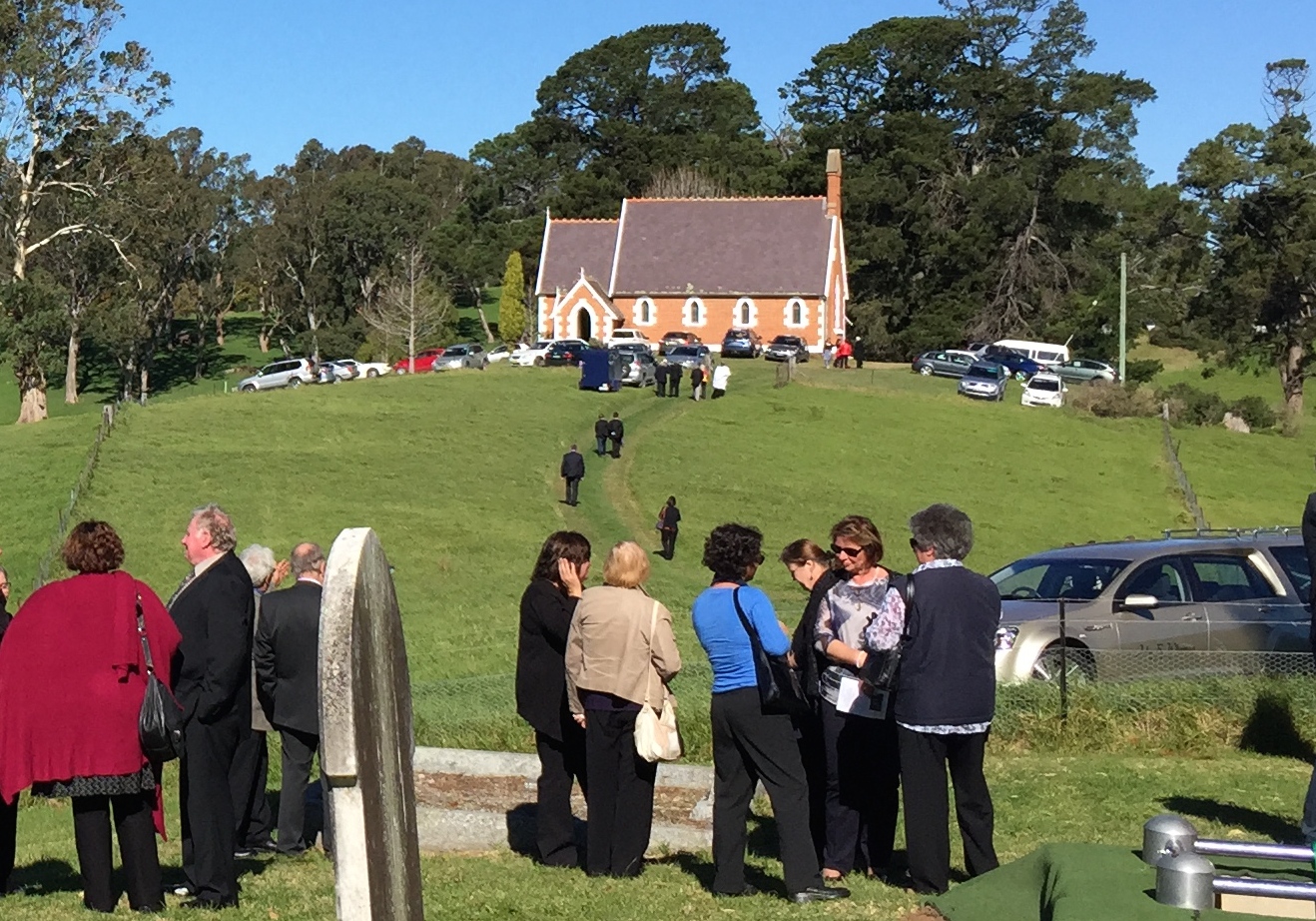
IMG_0545I’ve been to two funerals in the past eight days.

The first was a man I met through having cancer myself. We were both diagnosed with lung cancer in our forties. We were both concerned for our wives and children. And we both trusted in Jesus for a hope beyond the grave.

My friend’s funeral was a testimony to his faith in God and his hope in resurrection. While the funeral was distinctively Christian, I got the impression that many present did not share my friend’s convictions. I didn’t really know anyone there, having only briefly met his wife on one occasion, but my heart longed for people to know the truth that gave my friend hope that death was not the victor.

Yesterday I attended a family funeral. Fiona’s uncle had passed away after cancer had overrun his body. He left behind a loving wife and daughter, adoring grandchildren, extended family, and many friends. It was a privilege to share in his farewell. Fiona and I came away wishing that we had known him more closely. We heard tributes to a devoted husband and grandfather, a wonderful educator, a hard working farmer, a wise confidant, and much more. We were reminded that he placed his trust in Jesus until his final breaths and that he was confident of being united Jesus in the life ahead.

Ecclesiastes tells us that…

It is better to go to a house of mourning
    than to go to a house of feasting,
for death is the destiny of everyone;
    the living should take this to heart.  (7:2)

This is so true. Funerals focus us deeply on what matters really matter. Both these funerals were times of grieving and tears, but they were not without hope—real hope. They were coloured by the confidence that all is not lost, cancer has not won, death is not the end, and there is an awesome future for all who hope in Christ.

I came away from both funerals wanting everyone to take personally the news that each man went to their death with a strong hope beyond cure. This is far more than wishful thinking, more than a positive outlook to lift everyone’s spirits—it’s a confident hope based on the resurrection of Jesus.

ALK+ lung cancer drug now affordable

jayNo, I’m not applauding the government or the PBS. None of us understand why Australia has to lag so far behind much of the world in making advanced cancer treatments available to those who need them. Crizotinib still hasn’t made it onto the PBS despite the recommendation of the PBAC. Until recently needy patients were forced to find around $8000 per month or miss out. Some people have had to sell important assets or spend all their time fund raising just to stay alive.

But I do want to thank Pfizer Pharmaceuticals for making Crizotinib available to those who need it on a special access scheme. Quality health care should be available to all—not only those with very deep pockets. It’s time for the PBS to catch up.

Last week I had the privilege of catching up with Jay, a fellow ALK+ survivor living in Brisbane. Take a look at his video.

https://youtu.be/4cznFAzNdlI 

Luther’s Prayer

lutherI have the following prayer by Martin Luther attached to the wall beside my desk. It’s been there for years. I pray it often. It’s no less relevant to me today than it was when I first read it. And I suspect it’s no less relevant to every pastor who’s ever lived since Luther first penned it.

Lord God,

You have made me a pastor in your church.

You see how unfit I am to undertake this great

and difficult responsibility,

and if it were not for your help

I would have ruined it all long ago.

Therefore I cry to you for aid.

I offer my mouth and my heart to your service.

I desire to teach the people,

and, for myself, that I will learn evermore,

and diligently meditate on your word.

Use me as your instrument but never forsake me,

for if I am left alone I will easily bring it all to destruction.

Amen

Recommended reading (May 13)

readingWhy these 66 books? by Nathan Busenitz is a simple and clear introduction to understanding the canon of Scripture. This article helpfully anchors the basis of defining the biblical canon, not in church councils or decisions, but in Jesus Christ himself.

On the path to the cancer ward by Jean Williams instantly grabbed my attention. Not simply because I know this scenario well, but because I am always encouraged and occasionally rebuked as I read Jean’s sympathetic reflections on suffering in the light of God’s Word.

How to shut down gossip by Erik Raymond tackles the perennial problem of gossip among God’s people. I suspect gossip is one of the respectable sins that we either consider to awkward to address, or don’t want to tackle because we enjoy it too much. If you are wondering, I think ‘RPG’ stands for rocket propelled grenade!

Making Meetings Effective is something we all want to do. I keep hearing people in all walks of life, including and especially churches, lamenting the frustrations of unproductive meetings. Craig Schafer reminds us of the importance of two often neglected tools.

Recommended reading (April 28)

readingFrom time to time I plan to link to some helpful articles and ideas that I’ve been reading, This is my first instalment…

Contentment (1) At a time like this by Jean Williams is the first in a 10 part series on Christian contentment. Jean writes will clarity and a deep understanding of the implications and joys found in trusting Jesus.

Five pieces of advice for young men by Con Campbell is sage advice for men of all ages who are seeking to grow in the likeness of Jesus.

Six myths of discipleship by Col Marshall helps us to see that discipleship is the essence of being Christian, rather than a particular process for a select few.

Seven Basics for Better Staff Meetings by Eric Geiger offers helpful tips for improving those meetings we all love to hate.

Terminally optimistic

What wonderful words…

terminally optimistic

So much better than terminally ill. This is how Linnea Duff describes herself. Linnea was diagnosed with lung cancer in 2005, they discovered her ALK mutation in 2008, and she has been on a succession of clinical trials and targeted therapies since then. This year marks 10 years of living with cancer. So encouraging!

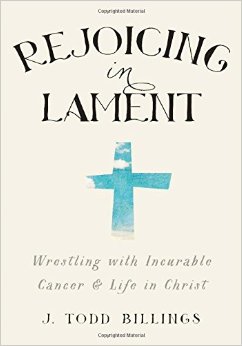
Rejoicing in lament

Todd Stern’s review of Rejoicing in Lament by J. Todd Billings. This review first appeared on The Gospel Coalition website on 18 March 2015.

rejoicingWhen Christians are confronted with significant tragedy, we are often reminded of Paul’s words to the church at Philippi: “Do not be anxious about anything. . . . [There is] a peace that passes all understanding. . . . I can do all things through Christ who strengthens me” (Phil. 4:6, 7, 13). While all this is wonderfully true, less often do we hear the line that immediately follows: “It was good of you to share in my troubles” (Phil. 4:14).

Dealing with our own troubles and sharing in those of others are among the most challenging aspects of the Christian life. It isn’t always easy to weep with those who weep (Rom. 12:15). Foolish and insensitive things get said by well-meaning folks. J. Todd Billings’s excellent new book, Rejoicing in Lament: Wrestling with Incurable Cancer and Life in Christ, will go a long way in equipping us to endure and to minister to one another in more theologically grounded and helpful ways.

How does Billings, professor of Reformed theology at Western Theological Seminary in Holland, Michigan, accomplish this task?

Writing from the Cauldron

If you’ve ever heard the harrowing words, “You have cancer,” you will quickly realize that Billings has “street cred.” He isn’t writing from a position of dispassionate analysis but rather from the cauldron, speaking openly and honestly of his experience of being diagnosed at age 39 with Myeloma, a rare and incurable cancer. Throughout Rejoicing in Lament he references his CarePages, an online journal for sharing with others the progression in his own thinking as he moves from the immediate upheaval surrounding the initial diagnosis to dealing with the “new normal.”

It is instructive how well reasoned even his early entries are. Even though Billings may have been surprised by the diagnosis, he was already well versed in truth, which enabled him to find solace and comfort in the only place it can truly be found—at the foot of the cross and in the pages of the Bible. Don’t wait for a crisis to read this book—strengthen your faith now, even in a peaceful season, by building these truths into your soul.

Praying the Psalms

Billings provides excellent instruction on praying the Psalms—particularly the psalms of lament—with all the honesty, struggle, and emotion of the Spirit-breathed writers themselves. He deals with these in detail throughout the book, teaching us how to fight our fears with faith and the language of Scripture. This discipline frees us to be honest and calls us to reflect on God’s wonderful promises, even when we can’t fully understand all that’s happening to us.

Billings helpfully explains that, as with Job, God does not owe us an explanation for why he allows severe trials. There is mystery here, yet we can rely on the truth that only he fully understands our suffering. We waste precious energy when we seek answers that only reside in the secret places of the Most High (Deut. 29:29).

Helping the Church

Billings also offers practical instruction for the church in chapters 6 and 7, “Death in the Story of God and in the Church” and “Praying for Healing and Praying for the Kingdom.” These chapters are particularly accessible and illuminating. The church is the place to run to rather than avoid when experiencing suffering. Sometimes we want to “grieve in private” or don’t want others to “see our pain,” but that can be profoundly counterproductive.

I hadn’t considered Billings’s point that the church is the one place where we celebrate birth, baptism, marriage, and death—a point that reinforced to me the importance of faithful perseverance in the church from cradle to grave.

Two Small Cautions

Lay readers (like me) should know in advance that Billings is an accomplished theologian and academician. As a result, some of the book’s language may be less accessible to the typical person wrestling with a trial of this magnitude. I’d counsel readers to stick with it, however, because there’s much gold to be mined in these pages.

A challenge in writing a book so tightly interwoven with the author’s experience is that he can share what he experienced and how he handled it, yet the reader’s experience may differ. While there may be certain commonalities in all Christian suffering, changing just one variable in a trial can make a world of difference experientially. Therefore, there cannot be a “one size fits all” approach. Questions that surface for some won’t rise for others. New and different questions may demand fresh and distinct responses.

I, too, have been diagnosed with incurable cancer. Even as I write this review, my chemo regimen is changing after 34 rounds because the tumors are continuing to grow. Additionally, today is the six-month anniversary of my wife’s death from her incurable cancer. I don’t have exactly the same struggles or questions as Billings: the “why” question hasn’t bothered me as deeply; I haven’t really experienced anger at God; and I find peace in the certain knowledge that he’s promised to “never leave us or forsake us” (Deut. 31:6, 8; Heb. 13:5). Billings implies at times that this sort of response is dangerously close to blind stoicism—but it might just be how God has prepared me to endure this trial. We all experience and respond to affliction in slightly different ways, and that’s okay.

Caught Up into His Story

All Christians can agree with Billings when he writes:

Even when we feel left in the dark, even when suffering and death seem senseless, we are empowered by the Spirit to groan, lament, and yet rejoice. God’s promise is trustworthy, and this same Spirit has united us to Christ, through whom we are able to call out to the Father as adopted children. We rejoice, we lament. In all of this, our own stories are not preserved in a pristine way; we are displaced (“I am not my own”) and incorporated into a much larger story—God’s story in Christ. (p170)

That message of truth needs to be heard loud and clear throughout the church, and Billings brings it home in a brilliant and powerful way. Whether you are walking with someone who is suffering, you are suffering yourself, or you want to be prepared to suffer, Billings can lead and guide you to do so in a God-honoring way.

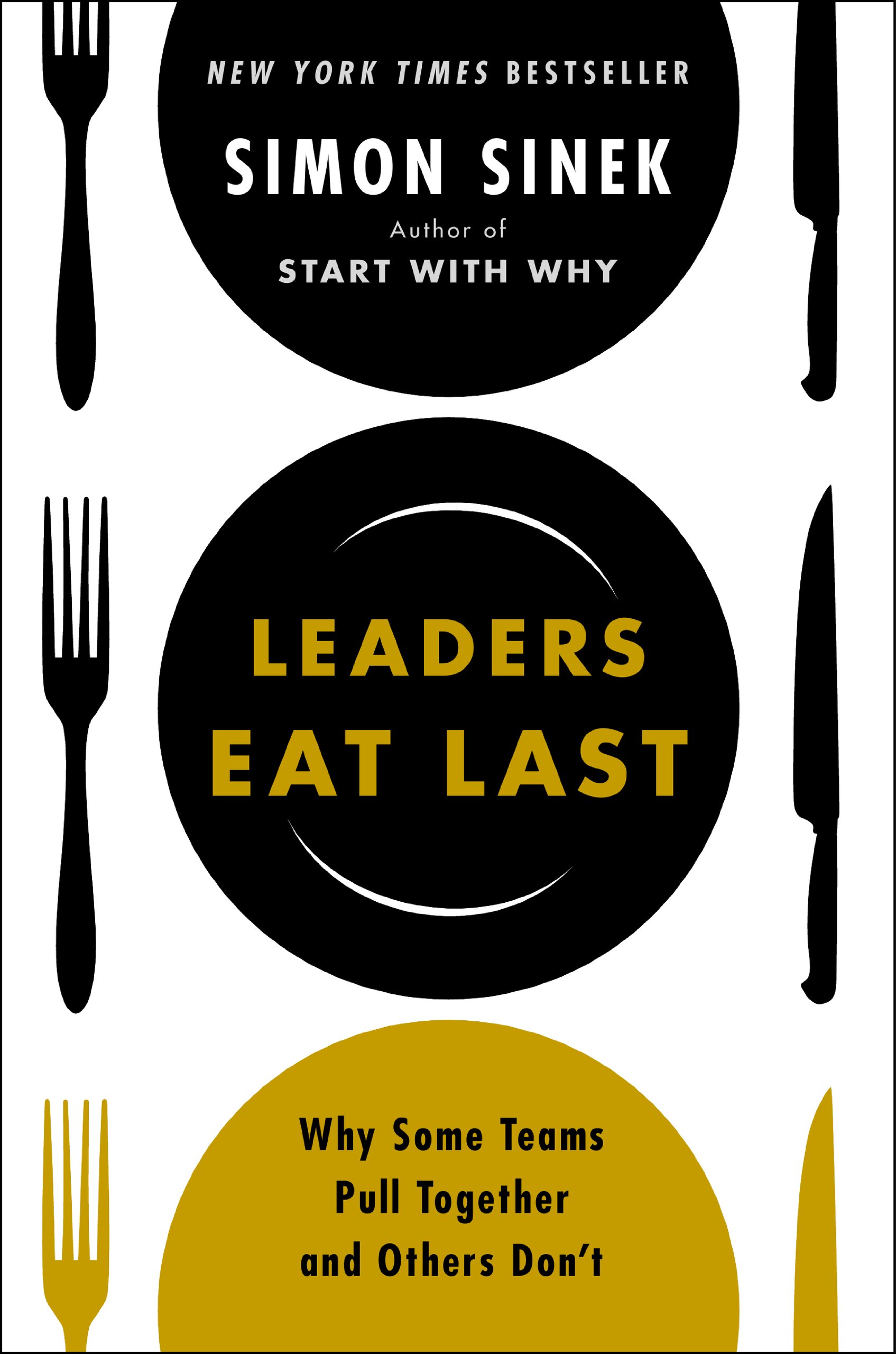
Leaders eat last

leaderseatlastLeaders eat last: Why some teams pull together and others don’t by Simon Sinek is a thoughtful analysis of many of the problems created and experienced by leaders and organisations in today’s world. It contains case studies, research, and biological and anthropological explanations for why successful organisations are those that create strong and safe communities. While this book is longer than it needs to be, and possibly over reaches in its biological and evolutionary claims, there is much to learn and relearn in this analysis of human interaction. Leaders of all types, whether in families, business, churches, government or other organisations, will do well to review their leadership in the light of Leaders eat last. I’ve personally found many points for reflection as I’ve be pushed to evaluate my leadership and the organisation (church) that I lead.

While the title is a metaphor for selflessness, it resonates literally with me. In 2002, as I became the team chaplain for the Brumbies Super 12 Rugby Team, I met the assistant team manager, Garry Quinlivan. ‘Quinzo’ is a retired customs officer who devotes his time to serving the Brumbies players and staff. He works without pay, spending long hours preparing, cleaning, checking up on, and sacrificially caring for everyone. Many things stand out about Quinzo, but one thing has struck me over the entire time I have watched him at work—he always eats last! Whether it’s a social BBQ, a drinks break, team lunch, or celebrating after a win—Quinzo always eats last. He gives everything for the team. And, in turn, people love Quinzo—they would do anything for this man.

Leaders eat last has constructive advice to leaders who preside over toxic work places. Watch how you lead—you may be the problem! Though of course, many selfish leaders would never consider themselves at fault. They don’t pause to reflect on the climate they are creating. The push for profits, the obsession with numbers, and the focus on short-term results mask the damage many leaders are doing to people. And then they wonder why their outcomes and results are so poor.

Sinek makes much of the importance of creating a circle of safety in the organisation. This idea is taken from Aesop’s Fable:

A lion used to prowl about a field in which four oxen used to dwell. Many a time he tried to attack them; but whenever he came near they turned their tails to one another, so that whichever way he approached them he was met by the horns of one of them. At last, however, they fell a-quarrelling among themselves, and each went off to pasture alone in a separate corner of the field. Then the Lion attacked them one by one and soon made an end of all four. (p20)

When we are part of a strong circle of safety, we naturally share ideas, burdens, successes, and we build a culture of collaboration, trust, and innovation. Good relationships are key to people surviving, let alone flourishing. A healthy organisation will be built on good relationships between colleagues. People grow in their trust for one another and become willing to do more for each other and the organisation. By contrast, organisations characterised by suspicion, fear, and distrusting micromanagement, are destined for decline and failure.

Sinek suggests a number of strategies that leaders can adopt to build a healthy, positive, relational culture in their organisations:

Rule 1: Keep it real—bring people together. Efficiency doesn’t always equal effectiveness. Emails, intranets, and on-line people management systems won’t necessarily build deep, trusting relationships. Trust is not formed through a screen, it is formed across the table. It takes a handshake to bind humans … and no technology yet can replace that. There is no such thing as virtual trust. (p111)

Rule 2: Keep it manageable—obey Dunbar’s Number. Anthropologist Robin Dunbar has found that people are not able to maintain close relationships with more than 150 people at a time. Traditional societies around the world tend to be organized in groups of 100 to 150. Larger groups require clear lines of organisation and specialist care to encourage cooperation and healthy relationships to develop. I suspect it is no accident that many churches seem to get stuck, never growing much beyond 150 people.

Rule 3: Meet the people you help. Fund-raising workers who have personal contact with the people they help have far more success. We work harder and better when we can see our potential impact. If we are focused purely on names and numbers, then morale drops and the organisation suffers.

Rule 4: Give them time, not just money. Research has shown that we place a higher value on time than money. Giving time, attention, and energy builds relationship, fosters community, creates trust, and encourages loyalty.

Rule 5: Be patient—obey the rule of seven days and seven years. Building relationships of trust takes time. Gauging someone’s fit in an organisation or in a relationship takes longer than the time that we typically give it: ‘more than seven days, but less than seven years’.

Sinek teaches that becoming a leader involves the key ingredients of love and trust. Leaders must model and grow organisations shaped and characterised by care and strong relationships. They should work to provide safe environments for their workers to enjoy being productive.

It’s not hard to see the relevance of this book to many workplaces and community organisations. Many of us have experienced difficult work environments where the CEO or the boss is a large part of the problem. The drive for profits often leaves a wake of departures and problems for the organisation.

As a pastor, I see a number of lessons for myself and my colleagues. If churches focus on growing numbers, budgets, buildings and the like, then we can forget that we should be primarily about the love of God and a love for people. I’m called to put others before myself—to be a leader who eats last. Jesus is the great example of the one who did not come to be served, but to serve, and to give his life as a ransom for many (Mark 10:45). In a sense, I don’t need the wisdom of Sinek—I need the vision and example of Jesus. However, it doesn’t hurt to be reminded by whatever means. If God can teach people through an ass, then he can certainly challenge me through a popular leadership book!

The sad reality is that there are too many people who’ve been hurt by their churches. I regularly meet people who feel they have been neglected, rejected, abused, or betrayed by their church or their leaders. This many be a one-sided analysis (it’s much easier to see how we’ve been hurt, than how we might have hurt others) but it’s a reminder to stay in touch with what the church is intended to be—the body of Christ, shaped by his love.

Leaders eat last has encouraged me to do some self-reflection. Is my leadership offering care and protection to those entrusted to me? Are we building a church community where it is safe to be weak and vulnerable? Are people more important than processes? Is maturity more valued than money? Where are my blind spots as a leader? What do I need to change or work at?