Is God anti-gay?

gayChristians have bad press when it comes to homosexuality. This hasn’t been helped by the bigotry and hatred of the Westboro Baptists in the United States and their appalling website godhatesfagsdotcom. The assumption by many is that all Christians are homophobic and therefore God must be anti-gay. The reality is the opposite—John 3:16 famously declares…

For God so loved the world that he gave his one and only Son, that whoever believes in him shall not perish but have eternal life.

By extension, this also means…

For God so loved gay people that he gave his one and only Son, that whoever believes in him shall not perish but have eternal life.

Sam Allberry’s little book, Is God anti-gay? And other questions about homosexuality, the Bible and same-sex attraction is an excellent guide to this issue. It’s not shaped by politics, sensationalism, or right-wing ideologies. It’s not seeking to ride the trends of culture or church opinion. This book is an attempt to seek the mind of God honestly and sensitively from the Bible.

Allberry writes with sympathy for the matters at hand. He discloses to his readers that his own sexual orientation is homosexual. However, he does not presume to speak for everyone for whom homosexuality is an issue. As a Christian, and minister of a church, this has caused him to grapple seriously both with Scripture and it’s application in his life. He prefers not to describe himself as ‘gay’ but rather as ‘someone who experiences same-sex attraction’. He writes:

But describing myself like this is a way for me to recognise that the kind of sexual attractions I experience are not fundamental to my identity. They are part of what I feel but they are not who I am in a fundamental sense. I am far more than my sexuality. (p8-9)

Allberry explains that the way to understand homosexuality is to view it against the backdrop of God’s good purposes for gender and sexuality. We need to understand what it means to be made in God’s image, to understand one-flesh union in marriage, and to explore God’s reasons for the gift of sex. We must also recognise that in our fallen world there will be many temptations to live alternatively to God’s ways. Some of these pressures come from the outside, others come from within us. We will all face trials and temptations of different kinds—this doesn’t mean we blame our DNA or upbringing or culture, but that we seek God’s help to trust and follow him.

While acknowledging that God’s design for sex as outlined in the Bible is heterosexual, within a loving and faithful marriage relationship, this doesn’t mean that God is anti-gay. It is, however, a significant call to trust God when our preferences and passions don’t align with his. Allbery reminds Christians who are attracted to persons of the same sex, that they should take the opportunity to talk to God about it—about our confusion or distress, our temptations, or our failings and sins. He reminds us that particular feelings do not disqualify or define us as Christians. All Christians struggle with a multitude of feelings and temptations. What matters is how we respond to these things. We are also reminded that Christians need to be willing to support one another in these matters.

Sadly, many churches do not engage well with matters of sexuality, and especially with homosexuality. Many people with same sex attraction have felt deep rejection at the hands of Christians. There is much for our churches to change in how we engage with people whom God clearly loves.

Allbery offers helpful advice to Christians in engaging with people who are homosexual in orientation. He prefers to start at the centre and work outwards, rather than start at the edge and work in. The matter of sexuality is not of first importance. Jesus’ death and resurrection take centre stage. This is where God is most fully revealed. It shows his heart towards all people.

This is what I most want people to know—for people to be bowled over by the God of the cross and resurrection. And, once gripped by this, to help them think through what trusting in this God will involve—what will need to be given over to him, including our messed up sexuality.

But I want the conversation to take place in the context of the gospel, rather than start with their sexuality and try to get from there to the gospel … So when a gay couple start coming to my church, my priority for them is the same as for anyone else: to hear the gospel and to experience the welcome of a Christian community. (p63-64)

I found this book to be very helpful in understanding issues of same-sex attraction from the perspective of the Bible. It is written with warmth, insight and compassion. It upholds the dignity of all people, and it demonstrates the depths of God’s love for all, regardless of sexual orientation or anything else. I commend it especially to Christian people wanting to understand the mind and heart of God in todays cultural climate.
How will the world end?

world_endThe beauty of a couple of interstate bus trips and a return flight to Brisbane over the past couple of weeks, is that I’ve been able to find time to do some more reading. And the brief books from the Questions Christians Ask series have been ideal travel reading—far better than most stuff you pick up at the airport bookstores!

How will the world end? And other questions about the last things and the second coming of Christ by Jeramie Rinne takes us into some hotly debated topics among Christians. We are very good at dividing over millennial positions, the meaning of world events, identification of the anti-Christ, when the end will happen, and more. Careful reading of the Bible is paramount to understand God’s intentions in these matters.

The book starts by affirming that the end of the world will arrive according to God’s design and purpose. It won’t be the result of arbitrary forces of the universe, nor the inescapable consequence of human failure to care for our planet.

The problem facing the human race is not that it’s on a collision course with an asteroid. Our problem is far worse: we are on a collision course with a holy God who is coming to judge a sinful world. (p13)

God has promised to address our sin and rebellion and to bring us to account. In fact, we could not describe God as ‘good’ if he was to ignore sin and tolerate evil forever. His judgment reveals that he cares about this world that he has made and the people within it. Though we don’t know when, God promises that he has set a day when he will judge this world through his Son. This is the day when Jesus will return.

Rinne discusses what will happen before this day when Jesus returns to judge the world. He does so with special reference to Matthew 24. We are warned that there will be false messiahs; many who oppose Jesus; wars and disasters; persecution of Jesus’ followers; wickedness and evil; growth in the gospel. These things are not the end—but they are signs that the end is on the way. The overwhelming testimony of the New Testament is that we are in the Last Days now. Not because we live in 2014 when there is evidence of these things all around us—this has been true of every age since Jesus first spoken these words. Jesus came to inaugurate the last days and he will bring them to an end when he returns.

A chapter of this book is devoted to helping Christians understand and navigate the various millennial perspectives that arise from Revelation 20. This provides a clear and helpful introduction to people’s thoughts on this matter. He concludes the chapter saying:

It’s probably all too much to hope that this chapter would clear up all the questions. But I hope that it did at least three things:

  1. I trust this chapter lifted you above the trees to see the forest.
  2. I pray this section increased your humility and patience toward others with different views.
  3. I hope this chapter increased your appetite to learn more about God’s word.

As your mind works to make sense of the details, may your heart swell with excitement that our Lord is returning! (p65)

How will the world end? draws heavily on the book of Revelation to make it’s case. However, I am always a little cautious about going to Revelation as the primary place to build my theological understanding. My rule of thumb tends to be ‘check my theology of Revelation with what I can verify clearly from the rest of Scripture’. Having said this, I do believe that Rinne handles Revelation faithfully and clearly.

From Revelation 20 we’re reminded that when Jesus returns to judge there will be ‘the books’ and the ‘book’. The ‘books’ will contain a record of our thoughts, words, and deeds. These will provide the incontrovertible evidence that God’s judgment is fully-informed, just and true. There is no hope for anyone in these books. It is the ‘book’ that offers hope. This is the Lamb’s book of life—what matters is whether our names are recorded in this book. The book of life reveals all who have trusted not in our deeds, but only in the sacrificial death of Jesus in our place. Is your name in this book?

For those not listed in the Lamb’s book of life the future is very grim. Images of hell and judgment speak of an everlasting judgment on all who reject God’s offer of rescue through Jesus. It is impossible for us to appreciate the magnitude, or indeed the rightness, of God’s judgment because we don’t have any sense of the gravity of our crime. (p76).

The closing chapter explores how we should live as we wait for Jesus’ return. He starts with the basics—because Jesus is returning to judge, we need to turn from our sins and put our trust in Jesus now. As we trust in Jesus, he doesn’t merely save us from our sins, but his grace transforms us and teaches us to live godly, Christ-like lives while we wait (Titus 2:11-14). We are urged to pray (1 Peter 4:7) and encourage one another to pray. We’re to remember our calling to take the good news of Jesus to all nations. As this world is passing we should not be too attached to stuff (1 Corinthians 7:29-31). We should remember that whatever trials and suffering we will face in this life, they are not worth comparing to the glory that will be revealed in us (Romans 8:18).

It is far too easy for us to live our lives stuck in the moment, to assume this life is all we’ve got, to lose sight of the end that is coming. This book is an important corrective.

Who on earth is the Holy Spirit?

holy_spiritWho on earth is the Holy Spirit? by Tim Chester and Christopher de la Hoyde is written to reassure believers about the experience of the Spirit in their lives. It’s also written to help believers become more aware of the work of the Spirit. The writers want to raise people’s expectations…

When you pray, we want you to expect the Spirit to work miracles. When you talk about Jesus, we want you to expect the Spirit to create faith in people’s hearts. When you read God’s word, we want you to expect the Spirit to create intimacy with the Father. When you’re tempted, we want you to expect the Spirit to give you alternative desires.

In your daily life, we want you to expect the Spirit to show you how you can serve others in love. We want you to be able to appeal to the experience of the Spirit as Paul does in Galatians 3 v 2-5.  (p8-9)

These are wonderful aims for the book, and filled me with great anticipation as I set about reading another book in the Questions Christians Ask series. The book begins by demonstrating the fundamental role of the Spirit in giving us spiritual life. Without the Spirit’s work we are unable to recognise the beauty of Jesus and the power of his work, or to turn to him and trust him. The Spirit gives us new birth or ‘regeneration’. The life-giving work of the Spirit reveals that salvation is God’s work from beginning to end. It is entirely a work of grace—even our faith is a gift from God. Put simply, if we don’t have the Spirit then we cannot be Christian.

If anyone does not have the Spirit of Christ, he does not belong to Christ. (Romans 8:9)

God was at work through his Spirit in the work of creation, bringing order out of disorder. The work of the Spirit continues to sustain and renew the creation. The Spirit is God’s seal upon his people, rather like God’s name tag, stating clearly that we belong to him. And the Spirit gives us a foretaste of life in the new creation. He’s the first instalment of the new creation, given to us as a guarantee that it really is coming. This is more than an a divine engagement ring, given as a pledge of the marriage to come—it’s more like a lover’s kiss, given as a foretaste of what is to be experienced.

Chester and de la Hoyde show us from the Scriptures how the Spirit is at work in us, making Christ present in and among believers. He dwells in the church and individual believers, and works in us to transform us into Christ’s likeness. We are reminded of the wonderful promise that if we live by the Spirit, we won’t gratify the desires of our sinful natures. (Galatians 5:16).

I appreciated the chapter entitled The Spirit of love where we are reminded that throughout all eternity God has been a Trinity of persons-in-relationship, an eternal family, a community of love. (p40) God has existed forever in a relationship of love between Father, Son and Spirit. Thus God can be known simply as being ‘love’. He always has been—it’s part of his essential being. The extraordinary thing is that we can be drawn into this family of love by the Spirit. God adopts us into his family and he wants us to know that we belong to him and are loved by him. (Galatians 4:4-7)

However, I also found some of the author’s comments about our relationship to the Spirit ambiguous and potentially unhelpful…

But it’s possible to grow less aware or sensitive to the Spirit’s prompting in our hearts. It’s possible to find ourselves acting more like God’s employees than his children. That’s what’s happened to the Galatians. They’ve lost their joy (4 v 15) Why? Because they’ve been duped into thinking they can earn their relationship with God. They’re going back to the law (4 v 8-11). They’ve become deaf to the Spirit. (p51)

I agree that the Galatians are being drawn back to reliance on the law, thinking they can earn their way to God. This is not the way of the Spirit. They began with the Spirit in reliance on Christ alone, and they are called to continue in the same fashion. I understand that this is, in fact, becoming deaf to the Spirit. However, describing this as growing less aware or sensitive to the Spirit’s promptings opens the way to confusion and misunderstanding. I don’t believe that the Galatians’ problem was one of failing to tune into ‘promptings’, but that of being drawn away from the true gospel of grace to a self-righteous gospel of works of the law.

The language of ‘being sensitive to the promptings of the Spirit’ (eg. p64) is used by the authors on a number of occasions in this book and I’m not persuaded it’s helpful. Don’t get me wrong—I believe whole-heartedly that the Spirit can prompt people, and that he has prompted me on many occasions. Yet, the authors seem to me to go beyond the promises of Scripture on this matter. They seem to be greater advocates of the freedom of God than the explicit promises of God. We need to be careful about ‘tuning into promptings’ and be encouraged to weigh up carefully the ideas of others, our inner hunches, the desires of our hearts, the circumstantial evidence, the feelings that these things must be from God. We also need to be careful not dismiss what is of God. Thus, we will do well to follow the advice of Paul to the Thessalonians:

Do not quench the Spirit. Do not treat prophecies with contempt but test them all; hold on to what is good, reject every kind of evil. (1 Thessalonians 5:19-22)

I had a couple of other minor complaints about this book, such as the author’s unwillingness to state clearly that the baptism in the Spirit in 1 Corinthians 12:13 refers to the conversion experience of being united with Christ, rather than a second experience of the Spirit after becoming Christian. I am persuaded that to understand Paul to be speaking of an experience subsequent to conversion, is to undo his argument in this passage altogether. The authors may agree with me, but they leave it ambiguous. Perhaps, they do not want to make an issue of this point thereby making their book more accessible to a broader readership.

Despite my reservations, this book has much to commend it. It’s anchored in Scripture and it warmly invites the reader to embrace the work of God’s Spirit in our lives. We have nothing to fear in doing this. Rather, we enter more deeply into the blessings of God for his beloved children.

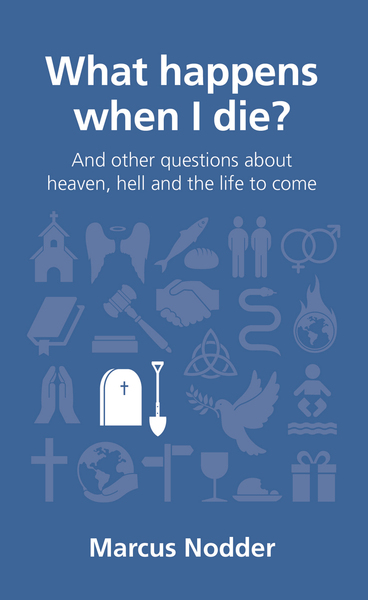
What happens when I die?

dieWhat happens when I die? And other questions about heaven, hell and the life to come by Marcus Nodder is another little book in the Questions Christians Ask series by the Good Book Company. Firstly, let me commend Nodder for being willing to share his life with the reader. This is not an academic book, written in ignorance of the pain of death. It’s a book that integrates the promises of God with the experience of death. He begins by reflecting on the death of his dad, and I immediately warmed to the author as one who would empathise with people’s experiences. I am convinced that this should be a vital component of any book that deals with sensitive and painful matters of life and suffering.

Nodder identifies the reality that death is not part of popular conversation and in the developed world we’ve become very adept at avoiding the issue altogether. Yet death intrudes on each of us, and the reality of death confronts us with some uncomfortable truths. I could identify with these words:

If you’ve been diagnosed with a terminal illness, you will need no convincing of this, but for the rest of us Sigmund Freud was onto something when he once wrote: “No-one really believes in his own death”. (p6)

This book takes us to Jesus who knows what lies beyond the grave and, not only that, provides the solution to the problem of death. Jesus broke the power that death holds over people, so that in turning to him and trusting him, we can look forward to life with God beyond death.

The basis for our hope for life beyond death lies in the evidence for the resurrection of Jesus from the dead. The empty tomb; the appearances to various people at various times; the eye-witness testimonies; the circumstantial (even embarrassing ) evidence for the resurrection recorded in the New Testament; the transformation of his followers, many of whom would give their lives rather than change their testimonies; all points to good reasons for trusting God on this matter.

If anyone at any time after the resurrection of Christ had been able to produce Jesus’ body —his corpse—Christianity would have sunk without a trace and that would have been the end of it. But there was no corpse because the body had been raised to life. The empty tomb is a powerful piece of evidence. You can go to the Red Square in Moscow and see Lenin’s embalmed body on public display. Followers of Bruce Lee go to visit his grace in Seattle’s Lake View Cemetery, where the remains of his super-fit body are interred. Followers of Mohammed go on a pilgrimage to the Mosque of the Prophet in Medina, where the the prophet is buried. But followers of Jesus Christ going to the Garden Tomb in Jerusalem find just an empty grace. (p39-40)

Many important practical and pastoral concerns are addressed in this book’s 94 pages. The author addresses such matters as What will happen to my body?; What will it be like to die?; How do we cope with bereavement?; and What will life be like in eternity? There are also brief answers to questions relating to prayers for the dead, ghosts, cremation versus burial, soul sleep, rewards in heaven, recognising loved ones, what is a soul or spirit, and even whether our pets will join us in the new creation! There is much to consider in this book, and each matter is addressed with appropriate sensitivity.

Nodder writes also of his grandmother dying of cancer. She was in her seventies and ready to go home to be with her Lord. However, she was bothered by well-meaning Christians who couldn’t accept the place of death. The reality is that one day we will all die. It may be tragic and sudden, or it may be slow and peaceful. There will be a day when our organs will cease to function, when there is no more healing to be found in this life. This is God’s will for each of us—for since the fall we are no longer equipped to live forever in this life, and God has something far greater in store for all who trust him. Sadly, there are some Christians doing much damage by their unwillingness to accept this.

Some people by their obsession with healing seem to me to rob Christian souls of their privilege and opportunity to glorify God in the way they die. Instead of a triumphant acceptance of death, as simply one more step in the purposes of God for them, we find instead an hysterical search for healing as if it were quite impossible that it should be God’s will for a Christian to die. Instead of courageous testimony, we find an attitude to death that resembles in many ways the conspiracy of silence and the double-think that we find in the world. It ought not to be so. (p59)

I notice ads on the TV for life insurance, funeral insurance, and leaving a will, a lot more often since I’ve been diagnosed with a terminal cancer. They’ve probably all ways been on TV and I haven’t noticed. Perhaps I just watch more TV now! The ads are correct in highlighting the need to make decisions about these matters while we can; but they almost suggest that once these choices are made, we can go back to just getting on with life. It’s not sufficient to consider our death—we need to make plans and preparations beyond death, and this means we need to go to the Bible.

The philosopher, Cicero, said that “to study philosophy is nothing but to prepare ourselves to die.” God says the only way to prepare ourselves is to put our trust in Jesus as our Rescuer and Ruler before we meet him as our Judge. (p61)

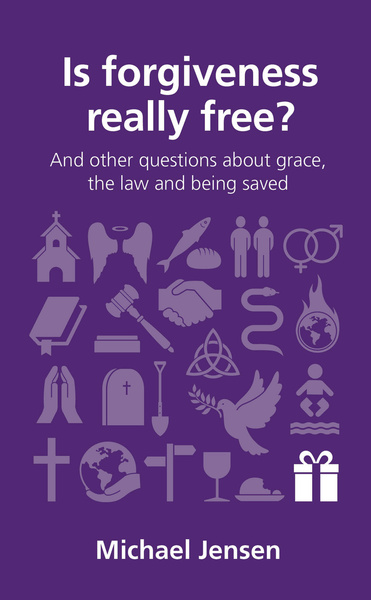
Is forgiveness really free?

forgivenessIs forgiveness really free: And other questions about grace, the law and being saved by Michael Jensen is definitely worth a read. I must admit, however, that I came to the book with a different set of questions and expectations that all had to do with the intricacies of forgiveness—particularly our forgiveness of one another. Fundamentally, this is a book about God’s forgiveness of us. It’s about ‘grace’ and grace is something we all need to be reminded of all the time. Maybe ‘grace’ should have appeared in the title and ‘forgiveness’ dropped to the subtitle. Anyway, I don’t want to be a pedant.

Michael’s aim in writing this book is to help you plunge into a deeper and richer experience of God’s grace, so that it may make a huge difference in your life. (p7) I read this book at the same time as viewing the recent movie Freedom. This is a story about rescuing American slaves to freedom in Canada. There is also a back story throughout of John Newton and the writing of his powerful hymn Amazing Grace. Both the movie and the book warmed my heart.

Some of the book describes my transformation to becoming a believer. For years I was confused and lacked assurance of my standing before God. I needed to focus on the death of Jesus to so as to reject the following erroneous ideas:

God’s grace to us in Christ is not conditional on our performance in any way, or upon taking part in certain rituals, or on our having confessed in precise detail everything we can think of we have done wrong. Those false views of grace only lead to a life filled with guilt, uncertainty and a lack of assurance. (p15)

I loved Michael’s section on Jesus’ crazy economicsIt’s so helpful to be reminded that God’s economy is the economy not of the wage but of the gift. (p24) God gives to those who haven’t earned or deserved anything from him. It comes entirely from the generosity of his heart, not because of any debt or obligation to us for services rendered. But we are also carefully reminded that while the grace of God is free, it is not cheap. The cost is to the giver, not the receiver. It comes at great price—through the death of Jesus Christ for our sins.

Michael includes a pastoral word for those with a tender conscience who are scared that they, or others might fall away and separate themselves from God’s grace. He writes:

The confidence that Hebrews speaks about is not a confidence that we are saved because of some past decision or prayer of commitment; but rather a confidence in God, that also means a right fear of him.

Can grace be taken away? The right answer is not “yes” or “no”, but: God is faithful: cling onto him with all your might. (p46)

Is forgiveness really free? goes on to describe the relationship of the Old Testament law to grace and Christian living; to debunk the challenge that grace is simply a license to sin; to show how grace transforms our lives to make us more like Jesus; and to challenge to our pride that we should need such grace in the first place.

I found this book pointed me back to the important truths of grace from the Scriptures and reminded me that “but for the grace of God go I” goes far beyond a cliche. It’s the foundation of a life lived in the transforming power of God.

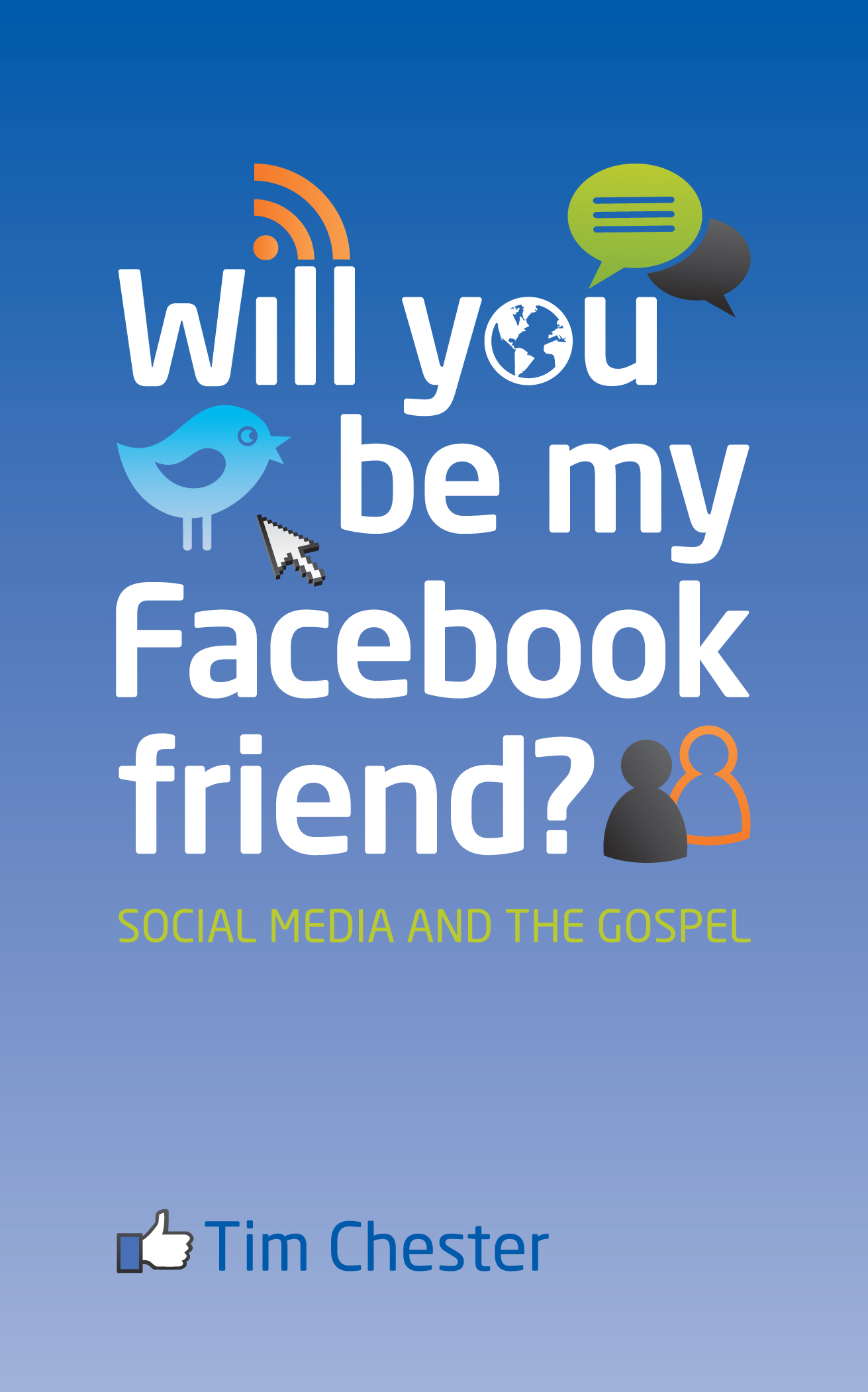
Will you be my Facebook friend?

facebookSome books are long. Others are short. Don’t judge the value of a book by its size. Will you be my Facebook friend? Social Media and the Gospel is only 48 pages short. The font size is large and the lines are well spaced, but the message is profoundly important. Tim Chester asks us to carefully consider both the benefits and the pitfalls of social media. This isn’t a tirade against the internet, but rather a plea to use it wisely. Social media has the capacity to radically distort reality, and we need to be wise to the dangers. Chester doesn’t leave us with a call to be more self-disciplined, which will lead only to pride or despair. Rather, he reminds us how the gospel reorients our lives and puts them back in real perspective—God’s perspective.

Here are a few words to consider…

The genius of Facebook is that all your friends come to you and all your friends come to them. So we simultaneously all inhabit our own little worlds, each with me at the centre. (p20)

Is your Facebook self more attractive or successful than your real-world self? (p26)

Am I using Facebook to enhance real-world relationships, or to replace them? (p39)

Remember the medium is the message, and Facebook was designed by a teenage nerd. (p42)

The Facebook comments wither and the tweets fall, but the word of our God stands forever. (p46)

If you or your kids are into Facebook, Twitter, Tumblr, Pinterest, spend hours in front of the TV, surf the net, scour blog sites, or the like—then do yourself a favour, turn off the computer, the TV, the X-Box, or whatever else, make yourself a coffee and read this book. It might take two cups of coffee, but I think you’ll find it worthwhile!

Covering over sin

coversinLove covers over a multitude of sins. Love doesn’t hold a grudge against the perpetrator. But neither does love ignore sin or sweep it under the carpet. Love forgives. Love bears the cost of letting go. Love doesn’t seek revenge or retribution. Love fights the growing seduction of bitterness. Love leaves justice in the hands of the righteous God. Love looks to the cross where the price for sin is paid, so that mercy can be offered.

Thank you God for love.

My new babysitting job

bikeI have the privilege of babysitting a friend’s Honda ST1300 for the next couple of weeks. Yes, I understand that babysitting is a big responsibility—after all, babies are precious and they need to be looked after with care and attention. So I will aim it give it what it likes to drink—98 octane premium. I will take it outside for rides and show it a bit of the countryside. I will introduce it to my wife—in fact, she can help me with the babysitting—and to a few friends. Who knows, we might even take it on a cruise with a few other babies.

By the way, if you know of any other babies who need sitting, then I’m only too happy to help. If your baby is called Harley or Duke or Trumpy, then I’m prepared to set aside some extra time to look after it. Not a problem, it’s the least I can do!

A time to read

20-minVarious studies and websites have demonstrated the importance and value of encouraging children to read for 20 minutes every day. It doesn’t seem like much, certainly when compared to average times spend watching television, playing on computers, and the like. However, the reality for many children is that it simply doesn’t happen.

Forgetting about children for a minute—what would be the value to adults if we spent 20 minutes a day reading? Let’s look at some stats…

People estimate we could read 1,800,000 words per year.
This is the equivalent of 28 average size books.
We could finish a book every two weeks.
We could cover a broad range of topics and interests.

Given that the Bible contains approximately 1,200,000 words, we could read it 3 times over 2 years.
Or we could read the Old Testament once, and the New Testament and Psalms twice each year.
Or we could read the whole Bible and more than 9 Christian books every year.
Or—if we read the Bible for an additional 15 minutes—then we could read the whole Bible each year, and at least one Christian book and one general book every month, and still have time for this blog!

Yes, I do know you can make stats say whatever you want, but even with a large measure of miscalculation and exaggeration, you can begin to see what just 20 minutes a day reading could achieve.

So why not take the 20 minute challenge?

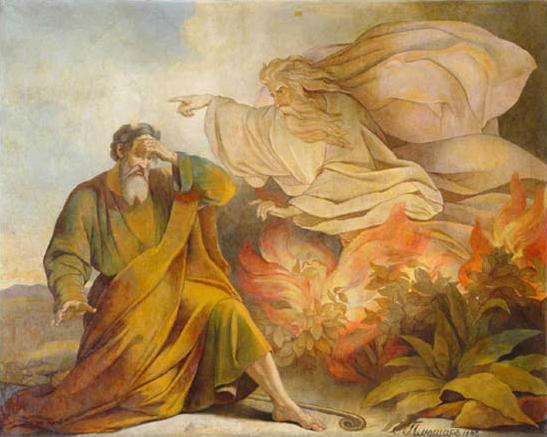
God’s not trying to tell you anything

Moses_PluchartHe was trying to make sense of his circumstances. Why were these things happening to him? Surely there had to be some greater purpose? Maybe God was trying to tell him something?

I often hear people say these words and I always find them jarring. These words are really quite ridiculous, and very disrespectful to God.

It’s not that God doesn’t tell us things. He does. In fact, he always has. But he doesn’t have to try to do it. He’s more than capable. As if God has to try to communicate. If God wants to tell us something, he will—simple as that.

He’s not up there somewhere trying to find a way to get our attention, planning a new and improved media strategy, hoping he can finally make a connection. God doesn’t waste words. He’s not in the business of talking to himself.

When God speaks, things really happen. Big things.

God speaks and the creation comes into existence.

By the word of the Lord the heavens were made,
their starry host by the breath of his mouth.
(Psalm 33:6)  

God speaks and people are born again into a new and enduring relationship with God.

…you have been born again, not of perishable seed, but of imperishable, through the living and enduring word of God.
(1 Peter 1:23)

God’s word is not an ancient, dusty document.

For the word of God is alive and active. Sharper than any double-edged sword, it penetrates even to dividing soul and spirit, joints and marrow; it judges the thoughts and attitudes of the heart.
(Hebrews 4:12)

God’s word has the power to change people’s lives for the better.

All Scripture is God-breathed and is useful for teaching, rebuking, correcting and training in righteousness, so that the servant of God may be thoroughly equipped for every good work.
(2 Timothy 3:16-17)

God doesn’t waste a single word.

As the rain and the snow
come down from heaven,
and do not return to it
without watering the earth
and making it bud and flourish,
so that it yields seed for the sower
and bread for the eater,
so is my word that goes out from my mouth:
it will not return to me empty,
but will accomplish what I desire
and achieve the purpose for which I sent it.
(Isaiah 55:10-11)

God doesn’t try to tell us anything. He speaks, and when he does, we’d be wise to listen.

I am a church member

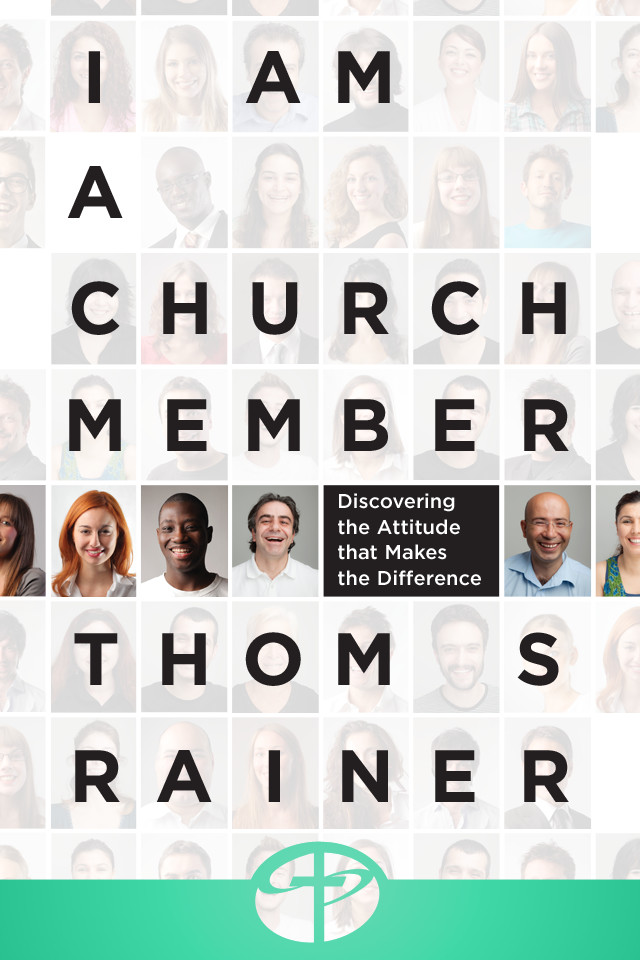
I Am a Church MemberI am a Church Member by Thom Rainer is a heart-warming and encouraging little book. It gently urges the Christian reader to understand and fulfil their role as an active participant in the church. Rainer contrasts the church with the image of a country club. In the club a member is one who pays their annual subscription and then feels entitled to receive certain perks and to be served by others. People come to the country club with expectations and demands. Membership of the church is more integral and organic. If we belong to Jesus, then we are already essential members of the church body, and we each have an important part to play. We are called to serve one another rather than seek to be served.

The commendations for this book run for many pages and read like a ‘who’s who’ of contemporary church leaders. But this doesn’t guarantee the merits of the book. It’s strength lies in it’s biblical foundations. Ultimately church membership is viewed as a gift from God. It comes through God’s grace in salvation through the death and resurrection of Jesus Christ. It’s a privilege, not a burden, or a set of rules to be followed.

I appreciated the way that prominence is given to love as the centrepiece of Christian relationships. The church is called to express itself in love for one another (1 Corinthians 12-14) and love is to be the hallmark of true Christians (John 13:35). Sadly, churches are easily damaged by a lack of love, disunity, gossip, and a lack of forgiveness. We are called to remember how we have been treated by Jesus Christ. He forgave the unlovely, and we are called to the same attitude.

Rainer reminds us that the word servant occurs 57 times in the New Testament and the word serve 58 times. Jesus modelled this and he called his followers to do the same. Church is not the place to have our personal preferences satisfied by others. It’s the context for putting the wellbeing and needs of others before our own.

The book finishes with the reminder that church is the fruit of the gospel. Rainer outlines how the sacrifice of Jesus Christ calls us into relationship with God. It’s the joy of salvation, rather than legalistic obligation, that will draw us into loving one another as part of God’s church.

I appreciated this book because it is short and simple (only 79 small pages). In many ways it would be a good book to offer newcomers to our churches, at the close of a welcome or orientation program, or as they are welcomed into some kind of formal membership. It is also an important book for old-comers or occasional-comers to our churches, because it urges us to look afresh at what church is really all about.

Interestingly, each of the six chapters in I am a Church Member finishes with a pledge for the reader to sign. This seemed rather counter-cultural to me. Perhaps, it’s more of an American thing, or typical of other church traditions. Whatever, the intent is clear—Rainer wants to encourage the reader to act on what he has written; to make a difference in our churches. And so we should!

Life’s for the living

Recently I’ve been listening to a fair bit of Passenger. I love the music and the poetry of the lyrics. One song goes:

Don’t you cry for the lost
Smile for the living
Get what you need and give what you’re given
Life’s for the living so live it
Or you’re better of dead

Life is for living, and I feel so privileged to have spent a few days camping by the ocean. There’s something about being outside, under the trees, by the sand and the sea, to make you feel alive. I thank God that I’m alive and for the treats He’s given me over the past few days:

Time with my son away from the TV.
Swimming in the glassy ocean, hiding from the hot northerly winds.
Watching a young seal playfully skimming through the waves.
Learning to catch bream and spending forever cleaning, filleting, barbecuing, and eating them.
Rocking gently in the hammock to the sound of the wind in the trees and the surf on the beach.
Soaking up the sunsets.
Sitting by the campfire, shifting my gaze from the flames to the moon and the stars.
Talking to my Father in heaven and thanking him for life.

fire sunset burrillsunset bream

Let’s stop going to church

CrowdGoing to church

Is it like…

Going to school
Going to hospital
Going to the beach

Going to the movies
Going to the markets
Or going to the football

No

Church is not a building
Church is not an institution
Church is not a spectator sport
Church is not a compulsory ritual
Church is not a task to be completed
Church is a gathering of people who belong to God

Let’s stop going to church and start being the church

They don’t just come around

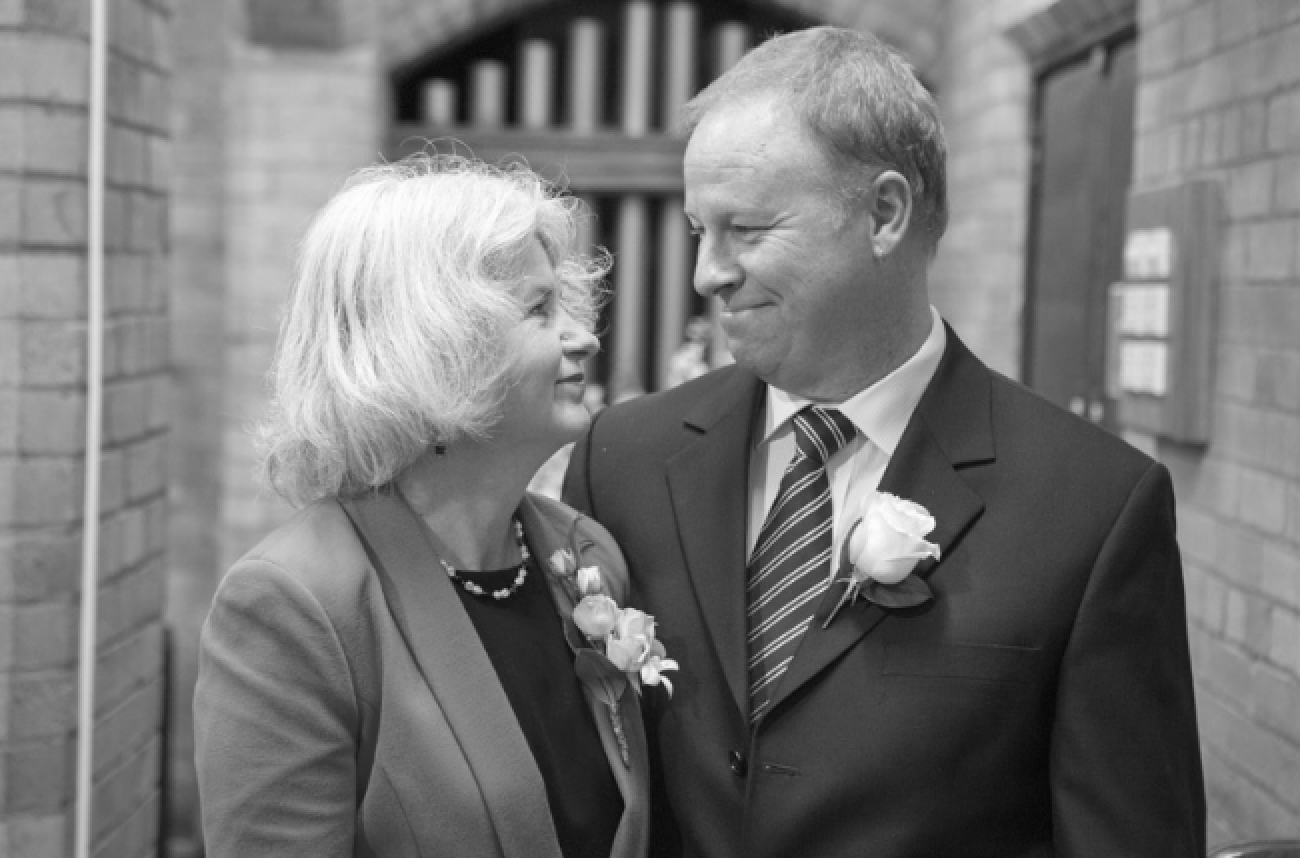
weddingA good friend once said that wedding anniversaries were more significant than birthdays. He made a good point that I’ve since repeated to others. Birthdays just come around year after year. You don’t need to do anything. Whereas wedding anniversaries take work. You need to keep investing in the marriage or you might not get to your next anniversary.

Yesterday was my birthday and I received many wonderful greetings—mainly via Facebook, the new greeting card! Many of the comments were very similar and they made me stop and think about whether he was entirely right. Let me share a few:

Happy birthday Macca! Praise God for another year. Hope you have a great day!

have a great day… thanking the Lord you’re still here with us and for your ongoing ministry…

Happy Birthday Dave! It is wonderful to celebrate another year!!!

Happy, happy birthday! Thanking God for the gift of the last 365 days and all that has happened since your last trip around the sun. Lotsa love

Happy birthday Dave! Thanks to God for another one!

Happy birthday cus! Glad you’re here to see another one.

Happy Birthday! May God bless you! And give you many more!

What thankfulness that you can celebrate another birthday! Have a great one!

Happy birthday Dave! Thanks to God for another one!

Happy birthday Macca! Glad God gave you another one.

I don’t expect everyone receives birthday greetings like these. I’d describe them as joyful and thankful, with significant undertones of sobriety. They are a reminder that birthdays don’t just come around. There were no guarantees last year that I’d celebrate another this year. Mind you—there aren’t ever any guarantees, for me or for you. I see the last year as a gift from God. It’s his grace that has preserved me for another year.

And I’m praying that his grace will sustain me for many more birthdays—and wedding anniversaries—for years to come.

Thanks for all your greetings!

Detox

photo[3]The landcruiser is packed. The roofbox is full. Four new all terrain tyres. One new fishing rod. Surfboards, wetsuits, fishing rods, tackle box, trangia, tents, recovery gear, air compressor, gas stoves, blow up mattresses. And then there’s flowers, candles, table cloths, suits, dresses, shoes, ties, cufflinks. We could play a game—guess what we’ll be doing by the contents of our vehicle!

There are only two more sleeps until Matt and Elizabeth’s wedding. It’s very exciting to be able to share this special day with them. Today we head to Lithgow. We’ll take the long route due to the Abercrombie being flooded. We’ll be wearing our winter clothes.

After the wedding we’ll be putting the camping, fishing and surfing gear to good use in Northern NSW and South Queensland. It’s nice to be escaping the harsh cold for three weeks. It’s also good to be having a change of pace and routine. Fiona is hanging out for a holiday and so am I.

My holiday will be two in one—a holiday from work and more significantly a holiday from chemotherapy. I’m due for chemo on Monday after the wedding, but the doctors are letting me skip the next one. Hopefully, three weeks without adding more poison will do me good, not harm. We’re praying that the break from chemo won’t give the cancer a chance to spread its wings. And we’re praying that it will give my body a chance to get rid of some of the toxins. It will be so nice not to get sick for a change! I’m looking forward to being able to do more with the family and generally having a fun time.

If you keep track of the blog to see how I’m going, and if you worry that no news is bad news—don’t worry! I may not write anything while I’m away, but I will be back blogging around the 21 July.

Macca

Serving without sinking

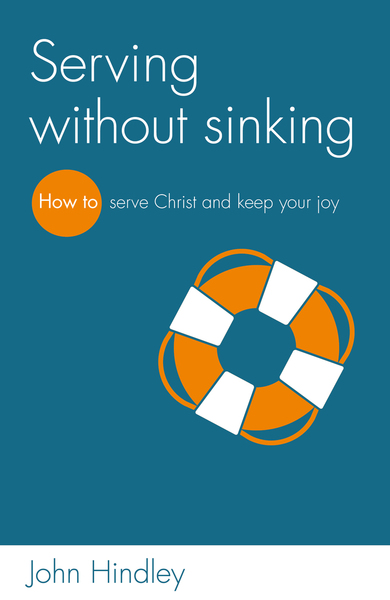
serving_sinkingOver the past year or so, I’ve read and reread a great many books on Christian leadership and service. This new book is seriously one of the most important books I’ve read. It is deeply, simply, and accurately theological. This makes it rich indeed. It’s not about technique or skill. It’s not about looking after yourself, so you last the distance without burning out. Serving without Sinking by John Hindley is liberating and empowering because it points above all to God’s grace in Jesus. It honours Christ by focusing on him, rather than you and I. It’s a thoroughly Biblical mindset that critiques and reshapes our whole perspective on Christian service. Instead of beginning with our service of Christ, it reminds us of these important words in Mark 10:45 that Jesus came first to serve us:

For even the Son of Man did not come to be served, but to serve, and to give his life as a ransom for many.

If we’re finding Christian service a burden, if we’re miserable and joyless, then Hindley suggests we examine our motives for service.

It could be we have a wrong view of God. If we’re serving Jesus so as to be good enough for him, or to get something from him, or to repay Jesus in some way, then we have forgotten the heart of the good news. Jesus came to serve us. This is his free gift to us. We don’t have to measure up, earn our way, or repay the debt. Relationship with God through Jesus is a free gift to be received joyfully.

We might also have a wrong view of people. Perhaps we’re serving to impress others, to receive their thanks or praise, or so that we feel like we are accepted and belong.

Joyless service could also stem from a wrong view of ourselves. Maybe we feel we are indispensable, that somehow Jesus needs us if he is going to be able to accomplish his purposes. Alternatively, we might be feeling like we don’t need Jesus. We’ve become activists who do things on our own, rather than praying for God to be at work in and through us.

Serving without Sinking shifts the attention away from us and puts it back on Jesus.

The counter-intuitive truth I’ve come to realise—the truth that prompted me to write this book—is that the only way to get our service of Jesus right is to realise that supremely, we don’t serve him. He serves us. (p45)

The truth that Jesus came to serve us, to give his life to ransom us for God, means we’ve been given free access to God. It doesn’t depend on our performance and because of this we are liberated to serve in joyful response.

The truth that we have been reconciled to Jesus leads us to serve him, not because we have to or need to, but because we are his friends. This is not about duty, or obligation, or simply obedience—it’s about relationship.

The truth that we have been united with Christ as his bride, draws us into the intimacy of relationship with him. He has sacrificed everything for us and is preparing us for eternity. Jesus is working through our service of him to get us ready for that great day when we will be fully joined with him.

The truth that we’ve been adopted into God’s family as sons, with full inheritance rights, to join in the family business, means we have the privilege of working with God. He doesn’t need us to help him, but he loves us doing so.

Grasping these truths refocuses our Christian service. It opens the door to rediscovering the joy and freedom that come through the gospel. It takes the heat off us. If the Christian life is reduced to our service of God then we will fail miserably. But if we take hold of God’s promises then we cannot fail. Jesus has done it all.

Moreover, Jesus continues to serve us. He intercedes for us today. Because Jesus prays for us, we don’t have to!

So prayer, like other ways of serving, is not something we need to do—it is something we are able to do; an opportunity to enjoy, not a chore to endure. (p84)

Jesus has also served us by sending us the Holy Spirit to enable us to serve him. This is the best gift he has to give, and he gives the Spirit to each one of his followers. Through the Spirit he equips us to serve by giving us gifts. Serving is not jobs that have to be done, but gifts to be unwrapped. These gifts are not for our sake, but gifts to be enjoyed by the church body.

The Spirit of God enables us to serve God with love. Loving God is not something I will do naturally, but something God’s Spirit grows in me. We can mistakenly think that if we simply obey God, then we will love him. However, it doesn’t work this way. Love will lead to service, but not the other way round. Love makes service joyful and free. If our service of Christ has become a burden, or stopped happening, we don’t need to try to obey more. We should ask your God to send his Spirit to work in our heart so that we are captured again by his love and service of us.

Serving without Sinking is a breath of fresh air. I pray that it will reignite our desire to love God leading to joyful service of God and others. If you’re feeling despondent, battle weary, or disillusioned in Christian service—take the time to read this book. If you’re worried that your brothers or sisters are becoming like this, then grab them a copy and talk about it together. If you’re a pastor, looking for ways to thank and encourage your leaders, then invest in multiple copies of this book.

One quick word to the author:

You’ve done a good job of helping women to see how they are included in the category of ‘sons’ of God. I think you need to do something similar to help men to appreciate how they can be part of the ‘bride’ of Christ. Maybe in the second edition!

Please leave Hitler alone

Over the last couple of weeks I’ve been introduced to the ‘Make your own Hitler videos’. The idea is that you subtitle your own words over a clip from an old black and white Nazi movie. It can be very funny to interlace the vision of one movie with a completely unrelated script. The passion of the Hitler movie lends itself to making otherwise normal statements seem outrageous and humorous. I’ve watched two of these now. One relates to the election of an Anglican Archbishop in Sydney. The other is a promo for a student conference. While the videos certainly capture our attention, and they generate a lot of humour, I don’t think it’s a good idea for Christians to use them. Here are three reasons:

  1. A few years back I spent a week fishing in the Northern Territory with a Polish Jew in his seventies. He had his serial number from Auschwitz tattooed on his chest. I knew nothing of his situation other than he had spent close to three years in the Nazi concentration camp in his teens. He did not speak of family and I suspect they were executed in the camp. I would be deeply saddened if he watched this video and thought that Christians were making light of the horrors of his experience.
  2. Social media is a penetrating forum. We have very little control over who sees what. Therefore I expect that some, if not many, of the large Jewish population of Sydney (and elsewhere) will see how Christians are using the author of the Holocaust to create funny home videos that promote their causes. Don’t we want Jewish people to take seriously our claim that Jesus is the Messiah? Don’t we want our words and actions to attract people to the good news that God has kept all the promises he made to Abraham, Isaac and Jacob? I believe these videos could make it more difficult for the Jewish community to take Christians seriously.
  3. I understand that the whole concept of these videos is completely tongue in cheek, but I still find it offensive that we would use Hitler to promote a Christian message. How is it in anyway helpful to associate a genocidal megalomaniac, who took the lives of millions, with the humble Son of God, who gave his life for millions? Can’t we do better?

I suspect this is a case of acting without really thinking about the potential implications. I don’t believe for a minute that anyone meant to cause any harm or offense. But please think it through. My recommendation is to leave the ‘Make your own Hitler videos’ alone.

The game they play in heaven!

Brumbies-logoGreat to see the Brumbies tough out a win in the driving rain of Auckland over the weekend. Back on track now and here’s hoping we see finals rugby in Canberra. Well done Jake, Ben, and the boys!

On the chaplaincy front, I’ve been a bit discouraged by my irregularity this year. I love the work with the team, but the ups and downs of chemo and other things have resulted in me not being as engaged as I’d like to be. I’d love your prayers for opportunities to be a genuine encouragement to these guys.

On the family front, Marcus has had a tough time with rugby this season. He missed the first couple of games with swollen knees. On Saturday he had to leave the field after the largest guy on the opposition came down on his knee awkwardly. He’s been hobbling around and wearing more strapping on his legs than most seasoned players. His local team have faced the top four sides first up, and been demolished most weeks. Plus he missed the first and last representative trials through injury. Through all of this, Fiona and I have been very encouraged by his maturity and lack of complaining.

Today he received some wonderful news. They announced the final team for the State Championships in June. We hurried onto the website at 3pm, downloaded the Under 15s Brumbies team list, and there it was… Marcus McDonald. Awesome! Well done Marcus. Thank you God. He gets to play his third season with the junior Brumbies.

humble ORTHODOXY

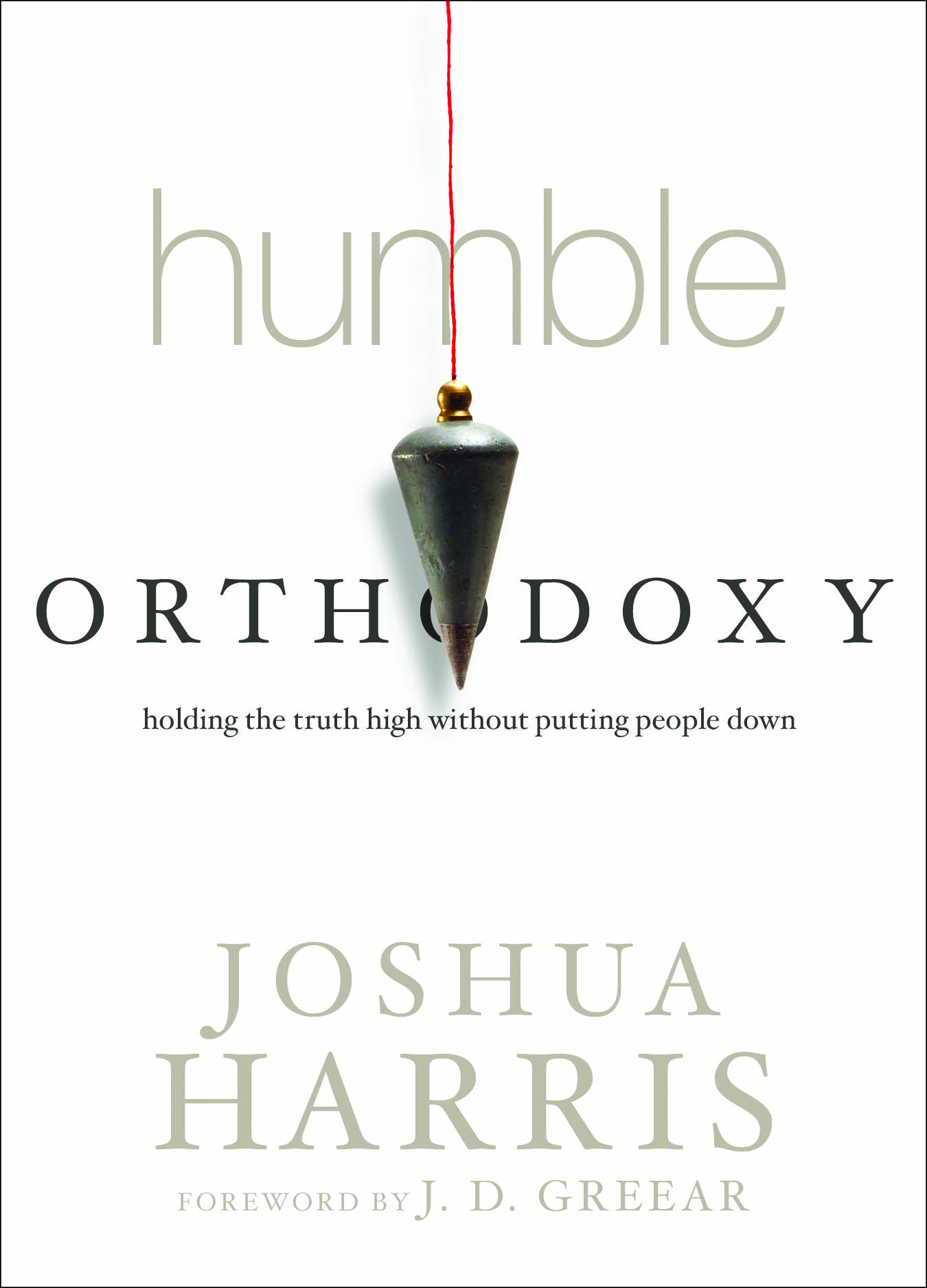
humble-orthodoxyHumble orthodoxy: holding the truth high without putting people down by Joshua Harris is a potent little book. I think it should be recommended reading for all ministry trainees, all theological students, all pastors, all Christian academics. In reality, every Christian who struggles with, or gives into, pride should take the time to read this book. It’s a short book. It’s a simple message. It’s shaped by the gospel of God’s amazing grace. It reveals how truth must be accompanied by love and humility. This message is so easy to learn, but it seems so hard to put into practice. Yet it doesn’t have to be this way. God is in the business of changing and renovating prideful people. As Harris writes:

We don’t have to be jerks with the truth. We can remember how Jesus showed us mercy when we were his enemies. We can demonstrate a humble orthodoxy, holding onto our identity in the gospel. We are not those who are right; we are those who are redeemed.  (p61)

This little book is filled with pithy statements – the kind worth pasting on our bathroom mirrors or the back of the toilet doors – somewhere where we won’t miss them. These are truths worth reminding ourselves of regularly. Humble orthodoxy is shaped by the Scriptures:

“Why do you look at the speck of sawdust in your brother’s eye and pay no attention to the plank in your own eye? How can you say to your brother, ‘Let me take the speck out of your eye,’ when all the time there is a plank in your own eye? You hypocrite, first take the plank out of your own eye, and then you will see clearly to remove the speck from your brother’s eye.  (Matthew 7:3-5)

…knowledge puffs up while love builds up.  (1 Corinthians 8:1)

23 Don’t have anything to do with foolish and stupid arguments, because you know they produce quarrels. 24 And the Lord’s servant must not be quarrelsome but must be kind to everyone, able to teach, not resentful. 25 Opponents must be gently instructed, in the hope that God will grant them repentance leading them to a knowledge of the truth,  (2 Timothy 2:22-25)

Rather than summarise the message of this book in my own words, I’ll simply highlight a number of quotes that will give you much of the picture:

Orthodox truths are the plumb line that shows us how to think straight in a crooked world.  (p3)

We must care deeply about the truth, and we must also defend and share the truth with compassion and humility.  (p5)

One of the mistakes Christians make is that we learn to rebuke like Jesus but not love like Jesus.  (p6)

Paul didn’t just want to beat his opponents in an argument; he wanted to win them to the truth.  (p14)

We don’t have the luxury or the biblical permission to be uncertain about those things God has been clear on.  (p16)

The message of Christian orthodoxy isn’t that I’m right and someone else is wrong. It’s that I am wrong and yet God is filled with grace.  (p21)

Genuine orthodoxy – the heart of which is the death of God’s Son for undeserving sinners – is the most humbling, human-pride-smashing message in the world.  (p29)

Are we giving as much energy to obeying God’s Word personally as we are to criticising its detractors?  (p36)

Don’t measure yourself by what you know. Measure yourself by the practice of what you know.  (p39)

There’s a difference between having a critical mind that carefully evaluates and having a critical spirit that loves to tear down.  (p44)

The truth is not about us. It is about God.  (p46)

In eternity we’ll see the silliness of self-righteousness and quarrelling over non-essentials. But we’ll also see with piercing clarity just how essential the essentials really are.  (p57)

I needed to read this book. I wonder whether you do too?