
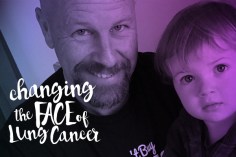
 Tomorrow is World Cancer Day. The Lung Foundation are launching a campaign called Changing the face of lung cancer. The aim is to increase awareness, reduce stigma, and encourage people to understand the importance of recognising symptoms to aid in early detection. Along with a number of others, I’ve been asked to share my story. You can view it here. Let me encourage you to read each of the stories on this site. When it comes to reporting on cancer, so often we simply hear the statistics. Well, every statistic is a precious life that matters to God, to family, and to many others. You will meet many wonderful people as you read through their stories.
The Power of I Am
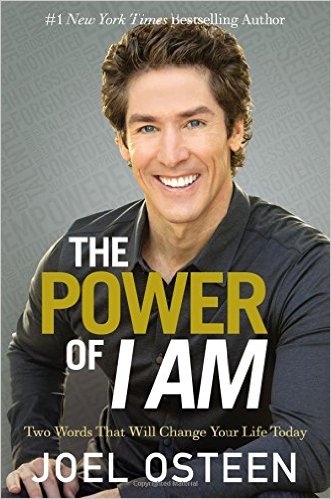 I am grieved. I am angry. I am appalled. I am not going to buy this book. I am calling people to stay clear of this false gospel. There—I’ve said it. This is fundamentally false teaching. Some might say this is blasphemy. I’d say it’s ignorant and dangerous at best. It’s popular. It sells. And it’s toxic. This is not what our world needs. This is not what our God is offering. This is graceless, hopeless, truth less, and fruitless. If this is indicative of what this man teaches, then keep your distance.
Why the rant? Because I just visited my local Christian bookshop and found this volume prominently displayed in the new release section. I stayed a while and skim read the book. I arrived home, gathered my mail, and found this same book on the recommended Christmas reading list of a Christian bookshop catalogue. So, woe to me if I do not speak. If a blind man prepared to step off the edge of a cliff, I would take hold of him tightly. If my grandson picked a toadstool believing it to be a mushroom, I would snatch it from his mouth. So I say, beware this book. It might look real, it might look healthy, it might even reference the Bible again and again, but it will leave you unwell.
Pardon my naivety, but I opened this book expecting to read of the wonder and power of Yahweh—the one true God, the great I AM or maybe to be reminded of the wondrous I AM sayings of Jesus in John’s Gospel. Instead I read the narcissistic promises of a ‘name it and claim it’ speech-faith preacher. Rather than hearing the call to humble myself before the God of all the earth, I am told to banish all negative thoughts and place ‘me’ at the centre. I am told to be positive or be quiet. No!
Osteen calls his readers to Speak These “I Am”s over Your Life
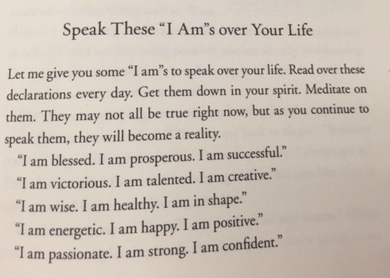
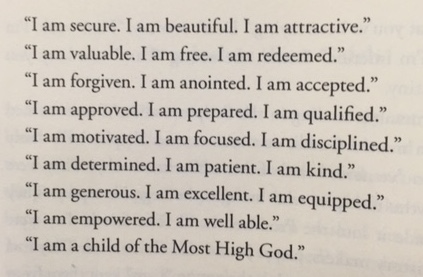
Please, whatever happened to I am undeserving, I am weak, I am a slave, I am rejoicing in suffering, I am being poured out like a drink offering? Where is the call to lose our lives for Christ’s sake? Why has the glory of God been replaced with the glory of self?
Joel Osteen, follow the example of Volkswagen, and recall your fraudulent books.
ESV Men’s Devotional Bible
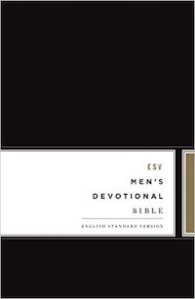 Last week I received a free copy of the ESV Men’s Devotional Bible. I was surprised as I couldn’t remember ordering it. The accompanying letter asked if I would be willing to review it. Normally I would read a book from cover to cover before writing a review. I can honestly say I’ve only read a small portion of this volume over the past week. But I have read other versions of the same book. Some years I’ve read it through more than once. I’ve read this ESV translation and I’ve also read other translations, such as the NIV and the HCSB.
So, on the basis of my previous readings, let me say this is a must read. It’s living and active. I believe it’s the word of God himself through multiple human authors over multiple centuries in multiple real life contexts. It’s an awesome collection of works, of different genres, revealing a coherent narrative. It’s helpful and practical. It’s graceful and glorious. It’s simple and sometimes complicated. It shines a spotlight on the Almighty God and climaxes in the revelation of his Son. It holds a mirror to my heart. It gives me hope beyond my circumstances. It speaks into every context of my life. It liberates me from religious law keeping. It guides my decision making. It offers me deep wisdom. It inspires me from grace to grace.
I must confess this book sometimes spends too much time on my shelf. It gets reduced to a means for ministry rather than being a gateway to intimacy with God. I turn reading into a chore rather than a delight. I rush my way through this volume rather than pausing to meditate on the beauty it reveals. And so I miss out.
I’m grateful to be asked to review this Bible because it gives me cause to open this book of books and look again on the glory God.
But, I have a feeling that the publisher may desire something a little different from a review! Perhaps a comment on this particular publication. And not just the text of the Bible, but the other bits they’ve added. So here goes.
This Bible’s appearance is plain and yet formal and sophisticated, even professional. It’s black with page numbers and headings printed in gold text. This looks impressive, but I find the headings hard to read in certain light.
This is a devotional bible, especially for men. I like the idea because men need to read the Bible—and yet often don’t—and Bible reading should lead to devotion to God. Various authors have contributed brief articles to assist us to reflect on the meaning and application of Bible as we read. I know a few of the authors and I’m encouraged that they have a deep respect for the Bible. They are keen to let it speak for itself. There are 365 of these scattered throughout, so this might give you an idea about how to pace yourself in your reading. The articles I’ve read have all highlighted important truths in the text, and not simply used the Bible passage to launch into another issue. Some have been more applicational and devotion-inspiring than others.
In addition to the daily devotional comments, there are some slightly longer articles of particular relevance to men. These include such topics as work, singleness, identity, fathering, pornography, life in the local church, doubt, and more. While none of these matters are uniquely relevant to fellas, they cover topics that I often hear men asking about.
Each book of the Bible is preceded by a brief introduction to orient us as we start our reading. While many of the comments can be discovered through the process of reading, it doesn’t hurt to see a map or some key landmarks before we embark on our journey.
Sometimes I worry about extra stuff that gets printed in Bibles. The mere fact that additional text has been bound together with the Word of God can confuse the novice reader. Which bits have authority and which sections should I be evaluating for their accuracy and relevance? There is a good argument for printing a companion volume to the Bible—perhaps one you could slip inside the cover or packaging of the Bible. At least this way, it will be clearer what is human and what is divine. They could have matching covers and cross-references to help you turn to comments on the text you are reading. But I haven’t been asked to design my own devotional Bible!
A related danger of printing articles on topics as ‘part of’ the Bible is that they can too easily be regarded as the last word on the matter. What do you do if you find yourself disagreeing with part of this volume of the Bible, even if it’s not really part of the Bible? The discerning reader can make these assessments, but the novice needs to be guided to make the appropriate distinctions.
If you are a bloke who desires to read the Bible to get to know God more closely then this publication might help you to get on with it. You don’t need a ‘devotional’ Bible to do this, but having the wisdom of some Christian brothers guiding you along the way might help you—especially in some of the more difficult sections. To be honest, I don’t mind if you read this particular ‘model’ of the Bible or not. I’d just love you to discover the delight of reading God’s life-giving, life-shaping Word—whatever the packaging.
Distressingly desensitised
 I headed to the chemo ward last week, much the same as any other week. But there was a difference—it wasn’t my week for treatment. I was visiting a friend who was having chemo for the first time and I figured he’d like some support.
As I drove to the hospital I became distressed. Not because I was heading to my least favourite place in the universe. Not because my friend had cancer. Not because he was only 17 years of age.
I was upset that the whole experience seemed normal. It seemed okay to be visiting a boy with cancer. I wasn’t shocked or horrified that this should be happening to someone so young and fit, who had their whole life ahead of them. There were no cries or tears or anger. I realised that cancer had become normalised for me. And I hated that fact.
There is nothing normal or acceptable about cancer. It’s a blight. It’s a parasite. It feeds on life. It steals life. It destroys life.
Dear God, please fix my blurred vision to see things for what they truly are. May I not grow desensitised to disease and suffering and death. May I not grow blasé to the horrors of cancer. Enable me to weep with those who weep. Fill my heart with compassion and kindness. Strengthen my hope in your saving grace and lead me to share this with others.
Gratias – Mr Nicholls
 Over the last weekend I returned to the city of Launceston where I’d lived from 1972 to 1974. I felt a sense of nostalgia flying over the Bass Strait. We drove past the church in Margaret Street where I’d been to Sunday School and boy scouts. Faces and a few names came to mind. Happy times. Times of mischief. Losing my voice for a couple of weeks as I dived to catch a ball and coat-hangered myself on the edge of a wooden bench.
I remembered a man at the church—I think it was Mr Nicholls—asking me if I was left or right handed. He planned to buy me a fishing rod and reel and he wanted to know what type of reel to get. I was right handed, so he bought me a left handed reel! I’ve used the same fickle approach with my kids as he thought it made more sense to have your strongest hand on the rod.
Mr Nicholls was simply a kind-hearted bloke in our church. Neither of my parents fished, so he stepped into the gap. He introduced me to what would become a lifetime hobby. To be fair, my dad sewed my first rod and tackle bag, and my mum would reimburse me for bait if I provided fish for a meal. I thank Mr Nicholls because he demonstrated that adults can have a major influence on the life of kids—even when they’re not our own. He taught me something about being generous and taking an active in interest in others.
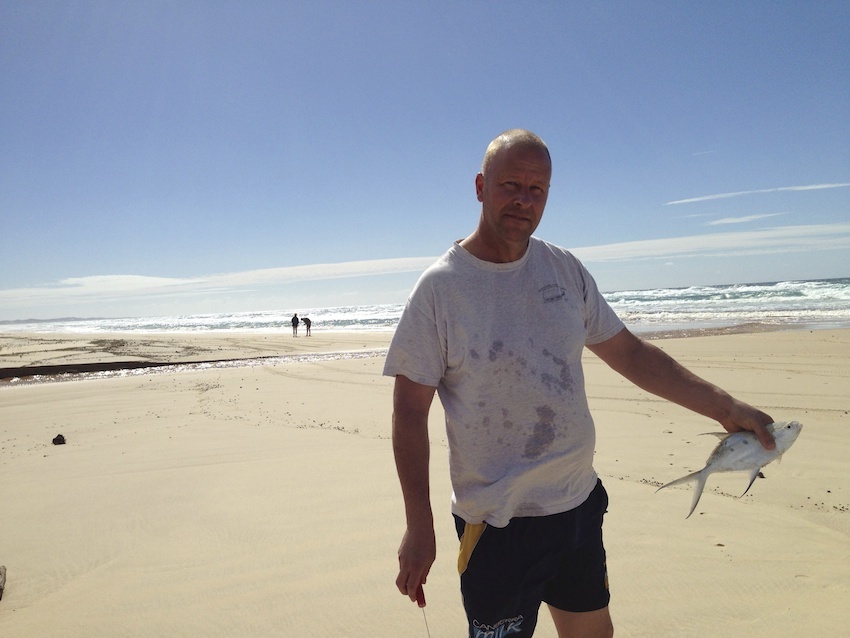 I still love throwing a line in the water. It doesn’t happen that often, but there’s something peaceful about watching the sun rise over the ocean as I wait for the first bites of the morning. There’s not too many other things that get me up before dawn. It’s thrilling to hook into a boiling school of tailor, to watch a massive barramundi do all it can to throw the hook, or to come home with a heavy bag of fresh fish. I enjoy the solace of being alone with my thoughts.
 Fishing has also been fun for my family. Fiona and I used to share a kiss if we caught more than one whiting on the same worm! The kids would spend hours with me digging for pippis, catching little (and sometimes bigger) fish. Sometimes we’ve depended on catching fish for food and managed to catch enough to keep us going. One time we caught so many fish my reel seized up and our bags broke from the weight of our catch.
We’ve had some unbelievable moments, like the time Matthew got a fish hook through his finger, while it was still attached to a live barramundi, with our whole family in 4 meter tinny in crocodile infested waters in Kakadu. This was after someone yelled at him to stop hanging his feet over the side. And this was just before a 5 metre croc leapt vertically out of the water to take a large bird. He got to publish his story in a national fishing magazine at the age of 9!
There’ve also been some sobering moments. Like the friend who took his two boys fishing and only brought one home, after a large wave tossed his son into the ocean. Fishing has brought me great joy, but it’s also been the context of major tragedy for others. We bathe in the wonder of this beautiful creation and yet we’re so small and exposed. Each time I return home without having caught a fish I’m reminded that I’m not in control of this world—I depend on the one who made it and sustains it. God is the one who gives me my daily bread and my occasional fish.
And I thank God for introducing me to Mr Nicholls.
Gratias — Peter Nelson
This is the first of a new series of posts that I’m planning, called gratias (or thanks). I’m indebted to so many people throughout my life who have influenced, shaped, challenged, and supported me in so many meaningful ways. My plan is to pay tribute to some of these people, and in so doing to bring a word of encouragement to you.
Peter Nelson
 During my student ministry in the late 1990s I got to know a number of athletes associated with the Australian Institute of Sport. Each of them spoke of the impact of a chaplain at the AIS, called Peter Nelson. Peter demonstrated concern for the personal and spiritual welfare of a large group of athletes, of various ages and maturity, across many different sports. It was a daunting responsibility that Peter exercised with humility and grace, without regard to thanks or reward.
I was privileged to meet Peter and discover his servant-hearted attitude to the athletes. He invited me to share in this ministry with him, and so I was introduced to the world of sports chaplaincy.
A number of things stand out about Peter. When we first met, Peter would work a newspaper round in the early hours of the morning so as to fund his ministry among the athletes. He wanted to offer a service without cost to others. He lived out the words of the Apostle Paul:
For when I preach the gospel, I cannot boast, since I am compelled to preach. Woe to me if I do not preach the gospel! If I preach voluntarily, I have a reward; if not voluntarily, I am simply discharging the trust committed to me. What then is my reward? Just this: that in preaching the gospel I may offer it free of charge, and so not make full use of my rights as a preacher of the gospel. (1 Corinthians 9:16-18)
Peter has maintained this attitude, not looking for perks or privileges. He is committed to giving rather than receiving, often investing his personal funds into buying bibles, books, or other things to offer to the athletes.
I worked alongside Peter for four to five years with the chaplaincy at the AIS. During this time I witnessed a consistent model of gentleness and respect for others. Peter was a great listener who displayed deep empathy for others. His counsel was valued by many, but it was his faithful and generous service of others that left the deepest mark. To this day, I hear testimonies of Peter’s graciousness from those who have met him. I expect that there are many who would say that it is the calibre of Peter’s life that has led them to take the message of Christianity seriously.
Peter is one who labours in prayer for others. We held a weekly prayer meeting at the AIS and Peter would always be there praying. Even if no one else was to turn up, we could be confident that Peter would keep his promises to pray for us.
After leaving the AIS and beginning chaplaincy with the Brumbies, I would continue to seek time with Peter on a regular basis. I’d be encouraged by his questions and genuine interest in my welfare. He demonstrated his faithfulness in consistently praying for others. Though he was a very busy man, he always conveyed a sense of being available and interested.
Peter agreed to be a member of our church (Crossroads) board of reference. This is a body of men and women known for their maturity and wisdom. We had cause to engage Peter on a number of occasions to assist us to make careful decisions as a church. He imparted much wisdom as we navigated our way through some difficult and painful relational issues. In these matters, Peter would often help us to slow down and consider the various sides of the matters. I’ve never heard him say a bad word about others—ever!
At a time when many are thinking merely of themselves and personal pleasures, Peter uses his ‘retirement’ to invest in the lives of others. And at 71, he’s still a pretty handy cricketer. More significantly, he continues his chaplaincy, mentors others, and provides leadership to the Canberra Aboriginal Church and the Canberra Austral-Asian Christian Church. Most of all he loves and serves Jesus. He reminds me of Timothy.
I hope in the Lord Jesus to send Timothy to you soon, that I also may be cheered when I receive news about you. I have no one else like him, who will show genuine concern for your welfare. For everyone looks out for their own interests, not those of Jesus Christ. But you know that Timothy has proved himself, because as a son with his father he has served with me in the work of the gospel. (Philippians 2:19-22)
I thank God for letting me learn from Peter Nelson.
(Photo by Matt Bedford, Canberra Times)
R U OK?
 Today is ‘Keep a low profile’ day. Well, I expect it will be for many. It’s actually R U OK day – a day to remind us all that it’s important to look out for one another. The trouble is that many will cringe if the only time people care for them is on a designated day. Every day is a good day to ask R U OK. So let’s slow down sufficiently to keep an eye out for each other.
I know a good number of my friends aren’t OK. Life sucks sometimes, and sometimes often. I get this. Sometimes life feels like the walls are closing in on me and I need help to see the big picture.
So if you’re not OK, please reach out.
Beyond Blue 1300 224 636
Lifeline 13 11 14
(Original artwork by Liam)
When Cancer Interrupts
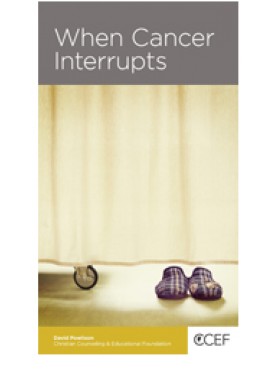 Books on cancer—I tend to buy them, read them, and subject them to greater scrutiny than many other books. When Cancer Interrupts by David Powlison is more of an essay than a book, being only 20 pages in length. And this is one of it’s strengths. People facing such trauma as a cancer diagnosis are unlikely to settle down with anything that seems too heavy or unwieldy. Let me say at the outset that I am very encouraged and positive about this little book. But before I explain why, I need to express my only criticism and a plea to the author and publishers.
Please chop out the following sentences in the opening paragraph!
It is a bit like coming home after an evening out to discover your home broken into, every drawer ransacked, and your most treasured possession stolen. You feel betrayed. The enemy got inside.” (p3)
No it’s not! I’ve had the experience of having our house broken into a number of times. I’ve had my wedding ring stolen. I’ve had my motorcycle stolen. We’ve had treasured gifts to my wife stolen. But, with respect, this is nothing compared to being diagnosed with terminal cancer. This illustration trivialises the impact of being told that your life is now effectively over. Life is not equal to stuff.
Take out these sentences and I’m engaged. You understand my plight. You sympathise with my fears. You invite me to journey with you in your book.
Personally, I don’t think you need any metaphor. Just tell it like it is. You’ve been through it four times. Wow!
Having got that off my chest, let me say how wonderful this booklet is. I’d make this a go to book in ministering among those with cancer and their carers. In fact, I’d love it to be available online as a free pdf to get it out there as easily as possible (I had to order my copy from the USA).
Powlison brings comfort and hope by pointing his readers to the beautiful words of Scripture. I found myself saying “Yes. Yes. Yes.” as he quotes the words of the Spirit.
God is our refuge and strength,
a very present help in trouble.
Therefore we will not fear though the earth gives way.
(Psalm 46:1-2)He has said, “I will never leave you nor forsake you.”
(Hebrews 13:5)Even though I walk through the valley of the shadow of death, I will fear no evil, for you are with me.
(Psalm 23:4)
When Cancer Interrupts takes us on a journey from fear to faith. It sympathises with our troubles; understands our uncertainties, pain, and fears; recognises our questions; identifies with our loss; feels our vulnerability; and calls us to acknowledge our struggles.
We are reminded that God is always with us and he invites us to cry out our troubles to him. He listens and cares. Rather than God being absent in the face of a serious cancer diagnosis, he remains close. God is the rock solid constant. He calls us to live out our faith in the midst of our fears. While we benefit so greatly from the love and support of close family and friends, Christ walks closely with us even through the valley of the shadow of death. He will stay with us even when and where others cannot.
Powlison calls us to cling to Christ by faith when we face the trials of cancer. I found the following words to be especially helpful and wise.
If your faith does not come to life in your weakness and need, then fear and false hopes take over. “I’m deathly afraid” and “I can beat this” are evil twins. On the one hand, fear bullies you into putting your ultimate hope in something that’s never good enough—doctors, percentages, treatments, a cure, strategies for self-healing, keeping yourself busy, self-numbing. On the other hand, pride and self-trust seduce you into thinking that you don’t need to be afraid, that faith is a crutch for weak people, and that you can be stronger than cancer and stronger than the shadow of death. (p14)
I find this to be so true. People speak of battling cancer, struggling against cancer, fighting the cancer. They’re admired for their strength, for being champions. And sadly we also describe losing the battle or giving up the fight. Why can’t we be allowed to acknowledge our weakness, our needs, our frailty, our dependence of people, medicine, circumstances outside our control, and ultimately our need for God.
This is not a self-centred or self-help book. It takes us to God, invites us to rest in him, and shows how we can reach out, even in our sickness, with love for others. Little things can make such a difference. And God is in the business of working his strength through our weaknesses.
If we don’t know the love of God in Jesus Christ, then this book points us to the source of life and hope. If we do know him, then we are called to come to him in our times of need.
David Powlison, thank you for writing this little book.
The daunting task of the preacher
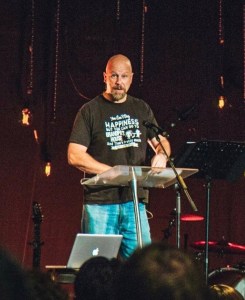 Preaching can be an intimidating task. Knees quiver and voices quaver for some of us when we are forced to speak publicly. But it’s not the people in the audience that should cause us to tremble—here are four things more daunting still.
1. God
The task of the preacher is to speak about God. And we do it with God himself in the room. Perhaps you’ve had the experience of talking about somebody and then becoming aware that they can hear you. You didn’t realise they were there, and then you see them out of the corner of your eye. They’ve been listening in and heard every word you’ve said! The preacher has that experience every time they preach. We talk about God in the presence of God. How important it is we get it right. We’d do well to reflect on the lesson of Job in chapter 42, who basically says, “Look, I should shut up because I didn’t know who or what I was talking about.” And if he didn’t know what he was talking about—and he gets to be in the Bible—then we should be a little careful. Don’t you think?
2. God’s word
God’s word is a powerful thing. By God’s word the heavens and the earth were made. By God’s word this universe continues to function. By God’s word hearts and minds are brought from death to life. By God’s word the church is built and grows into maturity. Our task is to handle this powerful word of truth with great care (2 Timothy 2:15). I may get into trouble for mentioning this, but my brother recently removed his thumb—literally. One minute he is working in his garage with his circular saw. A short time later he is waking up in hospital with a surgically reattached thumb. A circular saw is a powerful instrument. It can do great good and great harm, so we must handle it with care. How much more the word of God. People depend on the preacher to take great care with God’s word. In fact, their lives depend on it.
3. The preacher’s heart
Let me state the bleeding obvious—I’m not perfect. Not even close. And every time I have to preach I’m reminded of this fact. I often feel like Isaiah who in chapter 6, when confronted with a vision of the holy God, says “Woe is me, because I’m a man of unclean lips, among a people of unclean lips.” Isaiah could have been speaking for me.
I know my own sinfulness. I know my weaknesses. I know the things that I do wrong. And yet here I am, charged with speaking about the holy and righteous God—in my state. How important that I remember that God has acted in Christ to cleanse me. How important to remember that God can even speak his truth through a donkey (Numbers 22).
4. The preacher’s life
God calls us to practice what we preach. The apostle Paul called people to follow his example and to copy his way of life. So much of what people learn is caught rather than taught. Our walk should match our talk. When it doesn’t we can quickly undermine our message. How many preachers have called their congregations to sexual purity only to have their porn addictions, their illicit affairs, or their heartless marriages exposed? We know our hypocrisy and they can easily lead to warped preaching. Some will avoid speaking on any topic they’re unwilling to confront themselves. Others will confront their failures by beating on others. They know the deep-rooted greed in their hearts and yet mercilessly challenge others to confront their idolatry and covetousness.
From the gospel to the gospel
We must always remember that ‘but for the grace of God go I’. We have received grace, mercy and forgiveness through Jesus Christ. We bring nothing to the table—it is all of God. We should thank him and trust him alone. So too, our ministries are gifts of God’s grace (Romans 12:3-8). God doesn’t choose the clever, the strong, or the powerful because they are the ones qualified to be his ambassadors. He works among the weak and the imperfect to equip them for his service. God’s Spirit is at work in the messenger and the message. So let us never give up praying that God will transform our hearts and minds and work through our words and actions.
Our message is to be grounded in gospel. So too we must point people to the gospel. We have a powerful life-changing word from God. We must not water this down to a pathetic call to live better lives. Let people hear the hope. And hear it loud. God is in Christ reconciling the world to himself. God is working for the good of all who love and trust him, to make us more like his Son, Christ Jesus. Self-righteous pretence leads to hell, but God-given righteousness, through faith in Christ, leads to everlasting life.
Let’s keep on with the daunting task of preaching the gospel.
Originally published on TGCAu site 20/8/15
Recommended reading (30 July)
 First there was road rage and now there’s internet rage. Does “gentle” describe your tone when disagreeing online?
For the dissatisfied pastor/teacher. No platform high enough
If your pastor seems discouraged. One simple way to encourage your pastor
Liberating us to become more hospitable. The point of hospitality
When your best friend is struggling with depression. Serving your spouse during their dark sessions
We all know someone. What to say to a friend with cancer
How to walk into church
 It’s important to be able to do things on autopilot. Can you imagine having to think through every step to riding a bicycle every time you got on? Or opening your users manual every time you wanted to watch TV?
However, sometimes, autopilot can be a problem. We visited our premature daughter at the hospital every day for over 3 months until she was able to come home. Many times after that day, I’d get in the car, and be almost at the hospital before I realised that I should have been going in the opposite direction.
I suspect that going to church is an autopilot experience for most Christians. Sunday comes around and we get up, head to church, sit in the same place, and do what we always do. Interestingly, the Bible teaches us that we shouldn’t head to church on autopilot. We should turn autopilot off and engage manual. Hebrews 10:24-25 teaches us:
And let us consider how we may spur one another on towards love and good deeds, not giving up meeting together, as some are in the habit of doing, but encouraging one another – and all the more as you see the Day approaching.
We are encouraged to meet together regularly so as to encourage and spur one another on in our Christian lives. I take this as encouragement to make church a regular and important priority. We are also urged to ‘consider’ how me do this, which I take as call to disengage autopilot. We are to think about why we go to church, what we will do when we are there, who will be there, how we might encourage them, and more.
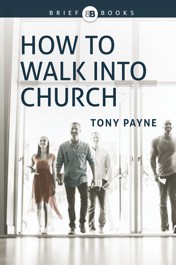
Tony Payne’s brief book, How to Walk into Church is written to encourage us to switch off the autopilot and think how we can make our time at church amongst the most valuable activity we engage in each week. He writes:
We come not to spectate or consume, nor even to have our own personal encounter with God. We come to love and to serve.(p13)
This little book is firmly grounded in Hebrews chapters 10 to 12. We are introduced to the heavenly gathering called church and move to the implications of belonging to this church for how me spend our time together with other Christians in our local churches. Our churches are to be shaped by love, and this only happens as we make God and one another the purpose of our gathering. We meet to love, which means we meet so as to build one another by the truth of God’s word. Tony suggests that every time we walk into church we should be wearing a metaphorical t-shirt that says:
“God is important to me, and you are important to me”. And on the back it says, “And that’s why I wouldn’t dream of missing this.” (p37)
How to Walk into Church contains helpful suggestions for promoting ‘every member’ ministry. You don’t need to be the preacher, the Bible reader, or the song leader to be able to influence others. We can all strike up conversations shaped by the Word of God. We can look out for one another, notice who’s missing, and show hospitality to newcomers. If church has become a passive experience, then this book will help you to turn things back toward active engagement every week.
This brief book is one that I plan to use as a tool in our ministry. Our church has already purchased a box of these books and we are promoting them to our regulars. My hope is that the book can also become part of a membership toolkit. When people indicate that they’re keen to belong to our church, then we will talk through how they can contribute to the ministry. We may well give them this book, urging them to read it, jot down some notes and questions, and we’ll talk about it together. I will be recommending this book to churches, small groups, and individuals.
There are many strengths of this book, not least is that it’s only 64 pages and takes 30 minutes to read. Yet more importantly is that it is derived clearly from the Scriptures. Some books about ‘what to do in church’ simply springboard from the Bible into the pool of pragmatism.
Having read over this book a couple of times, there are improvements that I think could be made in a second edition. It’s a good book that could be even better. I’d like to be able to offer this book to anyone who comes to our church—whether they are Christian or not. Thus, I think the book would benefit by a clearer explanation of how to become part of the heavenly church, the church belonging to Jesus. While this point is made, a few pages completely devoted to the message of the gospel would strengthen its impact.
I’d also like to read more practical ideas for ministry at church. Perhaps in between chapters we could read some cameos of people in their service at church. Alternatively, each chapter could finish with some dot points of ideas, or even a section for personal reflection and prayer for the reader to map out some ideas for service.
I had an opportunity to raise these suggestions with the author at a recent conference and he was most receptive. I sensed that his desire is to serve the church by listening as well as by writing.
This review was written for The Gospel Coalition Australia
Recommended reading (16 June)
Next week the church I pastor is looking at what we believe about church. What we truly believe will be shown in how we speak and act. Here’s some helpful food for thought on how we approach church.
Brian Borgman The Danger of Seeking your Dream Church
Carey Nieuwhof A Response to Christians who are done with Church
Check out this infographic of the ‘one another’ verses in the New Testament
Keller, Piper and Carson on Thriving Churches in a Hostile Culture
Recommended reading (14 June)
The following articles are helpful food for thought if considering how to encourage people, especially atheists, to consider Christian faith.
Sandy Grant On Good and Bad Evangelism
Stephen McAlpine Christian: Are you Ready for Exile Stage Two?
Nathan Campbell When in Rome: Reframing our Expectations as the Post-Christendom Church
John Gray What scares the New Atheists?
And an old post by Nathan Campbell How to talk to atheists about Christianity
Why Christians believe Jesus is God
From time to time I get asked why Christians believe that the man of history, Jesus Christ, is believed to be divine. It’s one thing to believe that he is special and that he’s left his mark on history, but it’s another thing altogether to believe that Jesus is God. Sometimes people support there critiques by claiming that Jesus never said he was God, or that the Bible doesn’t actually describe Jesus as God. While it is true that you won’t a quotation of Jesus saying “I am God” in the Bible, this is not to say that Jesus and the Bible writers deny this. In fact, there is significant evidence to support the claim that Jesus is divine.
 If you are interested in considering the Bible’s claims on this matter, the following list of references is a helpful start. They’ve been adapted from the book by Murray Harris called Jesus as God.
Divine functions performed by Jesus
In relation to the universe
- Creator (John 1:3; Col 1:16; Heb 1:2)
- Sustainer (1 Cor 8:6; Col 1:16; Heb 1:3)
- Author of life (John 1:4; Acts 3:15)
- Ruler (Matt 28:18; Rom 14:9; Rev 1:5)
In relation to human beings
- Healing the sick (Mark 1:32-34; Acts 3:6; 10:38)
- Teaching authoritatively (Mark 1:21-22; 13:31)
- Forgiving sins (Mark 2:1-12; Luke 24:47; Acts 5:31; Col 3:13)
- Granting salvation (Acts 4:12; Rom 10:12-14)
- Dispensing the Spirit (Matt 3:11; Acts 2:17, 33)
- Raising the dead (Luke 7:11-17; John 5:21; 6:40)
- Exercising judgment (Matt 25:31-46; John 5:19-29; Acts 10:42; 1 Cor 4:4-5)
Divine status claimed by or accorded to Jesus
In relation to his Father
- Having divine attributes (John 1:4; 10:30; 21:17; Eph 4:10; Col 1:19; 2:9)
- Eternally existent (John 1:1; 8:58; 12:41; 17:5; 1 Cor 10:4; Phil 2:6; Heb 11:26; 13:8; Jude 5)
- Equal in dignity (Matt 28:19; John 5:23; 2 Cor 13:14; Rev 22:13; cf. 21:6)
- Perfect revealer (John 1:9, 14; 6:32; 14:6; Rev 3:7, 14)
- Joint possessor of the kingdom (Eph 5:5; Rev 11:15), churches (Rom 16:16), Spirit (Rom 8:9; Phil 1:19), temple (Rev 21:22) divine name (Matt 28:19; cf. Rev 14:1), and throne (Rev 22:1, 3)
In relation to human beings
- Recipient of praise (Matt 21:15-16; Eph 5:19; 1 Tim. 1:12; Rev 5:8-14)
- Recipient of prayer (Acts 1:24; 7:59-60; 9:10-17, 21; 22:16, 19; 1 Cor 1:2; 16:22; 2 Cor 12:8)
- Object of saving faith (John 14:1; Acts 10:43; 16:31; Rom 10:8-13)
- Object of worship (Matt 14:33; 28:9, 17; John 5:23; 20:28; Phil 2:10-11; Heb 1:6; Rev 5:8-12)
- Joint source of blessing (1 Cor 1:3; 2 Cor 1:2; Gal 1:3; 1 Thess 3:11; 2 Thes 2:16)
- Object of doxologies (2 Tim 4:18; 2 Pet 3:18; Rev 1:5-6; 5:13)
Old Testament passages referring to Yahweh applied to Jesus
- Character of Yahweh (Exod 3:14 and Isa 43:11 alluded to in John 8:58; Ps 102:27-28 quoted in Heb 1:11-12; Isa 44:6 alluded to in Rev 1:17)
- Holiness of Yahweh (Isa 8:12-13 [cf. 29:23] quoted in 1 Pet 3:14-15)
- Descriptions of Yahweh (Ezek 43:2 and Dan 10:5-6 alluded to in Rev 1:13-16)
- Worship of Yahweh (Isa 45:23 alluded to in Phil 2:10-11; Deut 32:43 and Ps 97:7 quoted in Heb 1:6)
- Work of Yahweh in creation (Ps 102:25 quoted in Heb 1:10)
- Salvation of Yahweh (Joel 2:32 quoted in Rom 10:13; cf. Acts 2:21; Isa 40:3 quoted in Matt 3:3)
- Trustworthiness of Yahweh (Isa 28:16 quoted in Rom 9:33; 10:11; 1 Pet 2:6)
- Judgment of Yahweh (Isa 6:10 alluded to in John 12:41; Isa 8:14 quoted in Rom 9:33 and I Pet 2:8)
- Triumph of Yahweh (Ps 68:18 quoted in Eph 4:8)
Divine titles claimed by or applied to Jesus
- Son of Man (Matt 16:28; 24:30; Mark 8:38; 14:62-64; Acts 7:56)
- Son of God (Matt 11:27; Mark 15:39; John 1:18; Rom 1:4; Gal 4:4; Heb 1:2)
- Messiah (Matt 16:16; Mark 14:61; John 20:31)
- Lord (Mark 12:35-37; John 20:28; Rom 10:9; 1 Cor 8:5-6; 12:3; 16:22; Phil 2:11; 1 Pet 2:3; 3:15)
- Alpha and Omega (Rev 22:13; cf. 1:8; 21:6, of the Lord God)
- God (John 1:1, 18; 20:28; Rom 9:5; Tit 2:13; Heb 1:8; 2 Pet 1:1)
Wisdom in Leadership
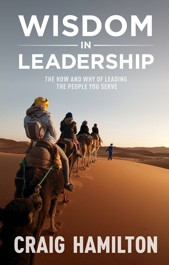 It’s a while since I’ve been as excited about a book on leadership as I am about this one. Craig Hamilton’s Wisdom in Leadership is a treasure chest of wisdom. It’s set to become my “go to” book for Christian leaders and I’ve already pre-ordered copies for each member of our church’s leadership group.
Craig has managed to successfully integrate Christ-focused biblical theology and gospel priorities with the best of the literature and practical wisdom. There is a depth of maturity about this book that belies the age of the author. He’s studied the Scriptures, he’s read widely from the best, and he’s tested and refined his wisdom in the course of his own ministry.
Wisdom in Leadership begins with a clear theological foundation that avoids the common practice of arguing prescription from the descriptions of leaders in the Bible. I’d buy the book for this section alone. It’s an excellent example of how to think theologically and then apply our thinking to what we do. The gospel of Jesus, the strength of God, the dependability of the Bible, the necessity of prayer, the significance of serving others, and the importance of being before doing — all take priority over the particulars and practicalities of leadership.
This is a big book. It’s almost 500 pages and it contains 78 different chapters. It’s really a compendium of quality advice on a wide range of leadership matters. When I first read it, I could imagine it being a series of short books on a range of leadership topics, or a long series of posts on a quality leadership website. But I love the fact that Craig has gathered so much together into one volume. It’s the type of book to write notes in, to return to topics over and again, and to dip in and sample, rather than having to read from cover to cover. I expect to refer to chapters and use them as discussion starters with different groups of leaders. I’ve already written summaries, comments, questions, and tips for application in the margins of my book. I’ve typed up a 20-page summary of quotes and ideas from the book, so that I can remember where to go for what.
Here’s a taste of quotes to whet your appetite:
“The biblical model of leadership” is a stupid title because of the words leadership, model, biblical, and the. I do want to make it clear, though, that I quite like the word ‘of’. (p 30)
You want to be a leader? Good. You want to be a great leader? You want to be the greatest? That’s good too. Be a servant. Be the greatest servant. Serve everyone you can. Everyone you meet. Be all about others; be in it for others. (p 53)
Who God wants you to be will always have an impact on what God wants you to do. Secret sins will choke your heart and erode your ministry. Deal with them tirelessly and repent of them quickly. (p 73)
Submitting to authority, being a follower, is a mark of maturity. Those who can’t follow, or are unwilling to follow another leader, shouldn’t lead. It’s a lack of character that needs to be addressed. (p 120)
Leading is pain. It’s part of the job. And if you’re planning on not being hurt then you’re planning on not being a leader. (p 135)
When it comes to how you view the world, the future, and your life, if you’re measuring your circumstances then you’re measuring the wrong thing. Your hope is not based on the shape of your circumstances but on the size of your God. (p164)
Having read this book for myself, I’m looking forward to working through it with others. I anticipate using it as a reference tool for many areas of leadership development. Wisdom in Leadership will help to get our leaders onto the same page, working together for common goals, with a unity of spirit and purpose.
If you’ve read widely in the world of leadership, management, teamwork, time management, change and the like, then Wisdom in Leadership will serve as a refresher course by selecting from the best of the best, adding some home-grown wisdom, and distilling it all through the lens of the Scriptures. If you’re starting out on the task of becoming a leader, or you’re training up new leaders, then I’d recommend saving a lot of time and money by starting with this book first.
This review first appeared on The Gospel Coalition Australia website.
Recommended reading (4 June)
When it comes to pastoral care, it’s not one size fits all. Nicholas Batzig has written a helpful article on The Complexity of Pastoral Care.
Given the ubiquity of pornography and the many temptations on the internet, buying your child a smart phone is a major decision and needs appropriate guidance. Tim Challies offers helpful advice in his article Letter to teens unboxing their first smartphone.
Having attended three funerals in the past month of friends who’ve died from cancer, I appreciate the gravitas of this article by Marcus Brotherton reflecting on his friend’s life: Five wise principles gleaned from a too-short life of excellence.
Nancie Guthrie shares some insights from experience on What not to ask someone who’s suffering.
I’ve recently read and reviewed a superb book about Wisdom in Leadership by Craig Hamilton. I expect to repost the review on this site in the future.
Double delight
Yesterday marked two years since I’d been declared NED (no evidence of disease) and tomorrow marks three and a half years since diagnosis. I thank God for the days he has given me and the opportunity to enjoy life and serve him in new ways.
 Yesterday also marked the announcement by the government that Crizotinib was going to be added to the Pharmaceutical Benefits Scheme from 1 July 2015. This is very exciting, especially for those who have been paying for this targeted lung cancer treatment treatment. The price drops from $80,000 a year to $456 a year. I have not commenced this treatment as yet, but it means it will be affordable if and when I need it. For now, I continue on chemo. Why—because it’s working, and if it aint broke then I shouldn’t change it, apparently!
Click on the picture to watch this brief video.
Recommended reading (21 May)
3 Reasons Why You Aren’t Allowed to Be Theologically Dumb by Chris Martin (no, not from Coldplay). Of course, there are many more reasons but this is a good start.
One of the biggest factors in deciding whether to stay at a particular church is friendliness. Thom Rainer’s post Seven things church members should say to guests in a worship service is so simple, yet so very helpful.
Unlike many of my friends who ride bikes, I’m not that experienced in the world of lycra. However, this article gave me some things to consider. What Wearing Lycra Taught Me About Christian Ministry by Peter Ko.
As a preacher, this is an issue I need to come back to again and again. The missing ingredient in many sermons by Erik Raymond is flavour for our spiritual food.
Recommended reading (19 May)
Learning to see by Jean Williams is a beautiful reflection on the way we are, as observed in an everyday glimpse of the creation.
Tim Challies reflects on five lessons he learned from William Zinnser on the art of writing non-fiction. I found much to learn in On Writing Well (5 Big Tips).
Andrew Errington, the author of Can we trust what the Gospels say about Jesus?, has written a helpful article on an important struggle we all face: On Doubt: Ten Thoughts.
If-only discipleship by Brian Rosner reminds us from God’s Word that we don’t need to wait for our circumstances to get ‘better’ before we can grow and serve God.
More practical, good advice from Craig Schafer on Making Meetings Effective: Facilitation Techniques.
Worth reading
 We’re not all natural readers, but my experience is that reading brings great reward. I struggle to read the great novels or works of fiction. But I’m a fan of sports biographies, and works on leadership, people, organisations, and new ways of thinking and doing. But hands down the most instructive, life-changing, and liberating book I’ve ever read—and continue to read is the Bible.
Apparently it takes less time to read than Game of Thrones and not all that much more than Lord of the Rings or Harry Potter. And while these are great stories, the Bible is so much more. If you’ve never really dipped into the Bible, can I recommend you give it a shot. Grab a modern translation—replace the old King James with a New International Version or the Holman Christian Standard Bible—and give it a read. Maybe start in the second part, the New Testament, and discover the extraordinary account of Jesus. It’s a book of life and hope and, contrary to popular opinion, extraordinary relevance and applicability to life now.
If you’d like to read the Bible with someone else, this can make it easier and more fun. Let me know and I will see if I can arrange a reading buddy or even a reading group.
For those of you who have read the Bible—’have’ being the operative word—and want to dip into it again, here are a few suggested approaches to get you restarted.
- Read the whole Bible through in one year. A good option is to get a Bible reading plan and follow it. Such plans are available on line or on smart phone Bible apps.
- Listen to the Bible on your mp3 player as you travel to and from work, go on holidays, or exercise.
- Use some Bible study guide, such as those produced by Matthias Media, which help you through an entire book of the Bible. These provide some commentary and ask questions to assist your understanding and application of the passage.
- Get into a routine Monday to Friday that fits with work and other regularities. Don’t worry if the weekend doesn’t fit the routine – do something different on weekends.
- If you know another language then, after you have looked at the passage in English, read through it again in the other language. This with help you give more attention to the meaning.
- Read with a friend and discuss what you have learned. Or both of you read on your own and then make contact to discuss it together.
- Read the Bible out loud to yourself.
- Use Search the Scriptures – a three year Bible reading program. You can take this at whatever pace you desire. Maximum benefit is gained if you take the time to write your answers to the questions.
- Follow Don Carson’s For the Love of God to read the Bible over one to four years. Excellent commentary by Carson. Available free on the Gospel Coalition website.
- Keep a journal of what you have learned and intend to apply from your reading.
- Prepare for sermons and Bible studies by reading over the passages beforehand.
- Read a passage with a view to giving a very brief talk which explains it, illustrates it and applies it. Then you can talk to me about finding an opportunity to give it!
- Try the S.O.A.P. approach. Read or write out the passage of Scripture. Note your observations and questions of the text. Decide how you are going to apply what you’ve learned. Pray that God will give you understanding and enable you to put it into practice.
- ‘Manuscript Discovery’ is a term given to the study of the text of the Bible without chapters, verses, paragraphs or headings included. This means you have to do more work, with the result that you learn more. You can do this yourself simply by printing out the text of the Bible from Bible Gateway and removing all added numbers and headings.
- Commit verses to memory.
- Type out the entire Bible.
- Come up with your own ideas… share them with others

